What is a US Freight Broker and How Do They Operate?
The role of US freight brokers is crucial in the logistics industry. These professionals facilitate the movement of goods between shippers and carriers. According to a report by Armstrong & Associates, the US freight brokerage market reached $60 billion in 2020. This highlights the growing importance of freight brokers.
Experts in the field, like David W. Smith, emphasize their role: “US freight brokers are the lifeline that connects shippers with reliable transportation.” This connection is vital for maintaining efficient supply chain operations. However, the industry faces challenges. Many brokers struggle with finding trustworthy carriers, impacting service quality.
Additionally, the rapid growth of e-commerce demands a more agile freight brokerage approach. US freight brokers must adapt to evolving technologies and customer expectations. Frustrations in navigating regulatory compliance also need addressing. The complexities within the industry present a unique opportunity for improvement.

What is a Freight Broker in the US?
Freight brokers play a crucial role in the U.S. transportation industry. They act as intermediaries between shippers and carriers. Their main job is to find the best carriers to transport goods. This process involves negotiation and coordination. Brokers need to assess the specific needs of shippers and match them with appropriate carriers. They consider factors like cost, speed, and reliability.
In this fast-paced industry, brokers must stay updated on market trends. They often work under pressure. Communication skills are essential. A good broker negotiates contracts and resolves issues that arise during transport. They help ensure that shipments arrive on time and intact. However, brokers sometimes face challenges, such as scheduling conflicts or capacity shortages. Reflecting on these challenges can lead to better problem-solving strategies and improved service.
Brokers also need strong relationships with both shippers and carriers. Trust is essential in this business. Maintaining these connections takes effort. Not every deal goes smoothly, and learning from each experience is part of growth. Ultimately, a successful freight broker adapts to changes and strives for improvement.
What is a US Freight Broker and How Do They Operate?
| Dimension |
Description |
| Role of a Freight Broker |
Acts as an intermediary between shippers and carriers to facilitate the movement of goods. |
| Licensing Requirement |
Must obtain a Freight Broker License from the Federal Motor Carrier Safety Administration (FMCSA). |
| Commission Structure |
Typically earns a commission of 10-20% of the total shipping cost. |
| Key Skills |
Negotiation, communication, and strong organizational skills are essential for success. |
| Operational Process |
Identifies shipping needs, finds available carriers, negotiates rates, and manages logistics. |
| Technology Use |
Utilizes transportation management systems (TMS) for tracking shipments and optimizing routes. |
| Insurance Requirement |
Must carry liability insurance to protect against potential claims from shippers or carriers. |
| Challenges Faced |
Market fluctuations, regulatory changes, and maintaining reliable carrier relationships. |
The Role and Responsibilities of a Freight Broker
Freight brokers play a vital role in the logistics chain. They act as intermediaries between shippers and carriers. A broker's main responsibility is to ensure goods are transported efficiently and cost-effectively. According to the American Association of Freight Brokers, the industry has grown significantly, with brokered freight accounting for about 15% of total freight volume in the U.S.
Effective communication is essential for brokers. They must understand the needs of shippers and the capabilities of carriers. They negotiate rates and manage contracts while providing logistical support. The process can be complex. Mistakes in communication can lead to delays, increasing costs. This highlights the need for careful attention to detail.
Tips: Always verify the credentials of freight brokers. Check their licensing and insurance. A reliable broker has crucial data at their fingertips, helping them make informed decisions. Use technology, like freight tracking tools, to improve visibility. This way, both shippers and carriers can stay informed throughout the shipping process.
How Freight Brokers Connect Shippers and Carriers
Freight brokers play a critical role in the logistics industry. They act as intermediaries between shippers and carriers, ensuring goods are transported efficiently. In 2022, the US freight brokerage market was valued at approximately $80 billion, showing the importance of this sector.
Brokers connect shippers, who need to move cargo, with carriers that have the capacity. They leverage their networks and technology to match these two sides effectively. According to recent industry data, around 70% of all freight is moved by truck, highlighting the reliance on brokers to facilitate these transactions. Brokers must know the market well to negotiate rates and manage relationships.
However, not every match is perfect. Sometimes, shipment delays or miscommunication can occur. Brokers must navigate these challenges continually. Building trust with both shippers and carriers is essential but can be difficult. An unsatisfactory experience can tarnish relationships, leading to hesitation in future dealings. Balancing these dynamics requires skill and adaptability, traits that many brokers are still developing.
US Freight Broker Operations Overview
The Process of Freight Brokerage: Step-by-Step Overview
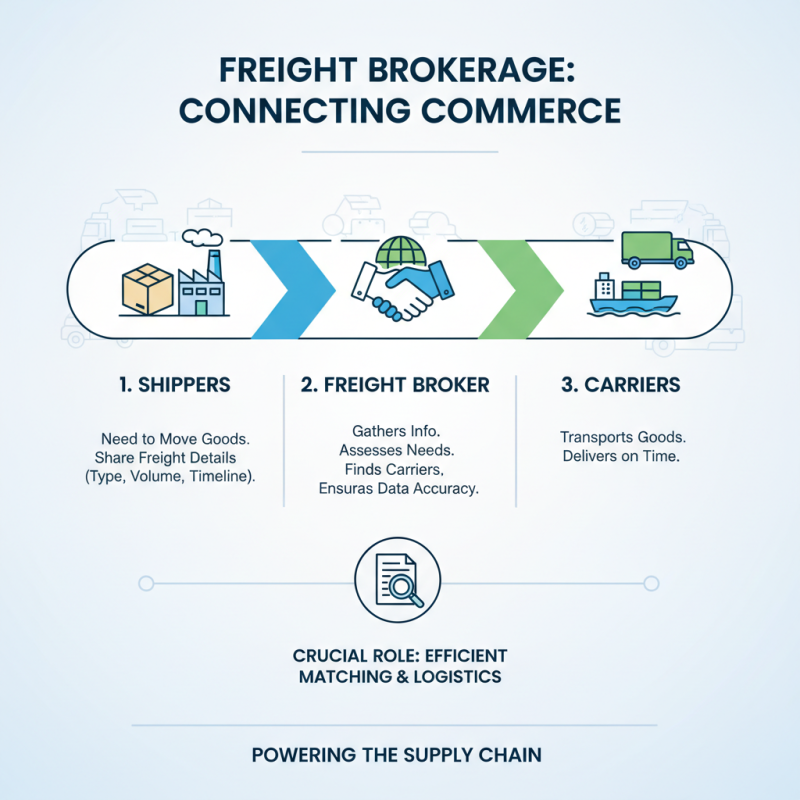
Freight brokerage plays a crucial role in the transportation industry. A broker connects shippers needing to move goods with carriers that can transport them. The process begins with the broker gathering information from shippers. They assess the type and volume of freight, as well as delivery timelines. Accurate data collection is vital for successful operations.
Once information is collected, brokers move to find the right carrier. They evaluate potential carriers based on their capacity, reliability, and pricing. This isn’t always straightforward. Sometimes, it can be challenging to secure a reliable carrier. Brokers often rely on existing relationships but must also seek new connections. Communication is key during these negotiations.
After matching the shipper with a carrier, the broker prepares necessary documents like contracts and invoices. This stage can be tedious and requires attention to detail. Any oversight could lead to issues later. Keeping all parties informed throughout the shipment process is essential. Yet, sometimes misunderstandings arise, creating friction. Managing these challenges is part of a broker's daily life. The role requires constant adaptation and reflection on how to improve processes.
Regulatory Requirements for US Freight Brokers
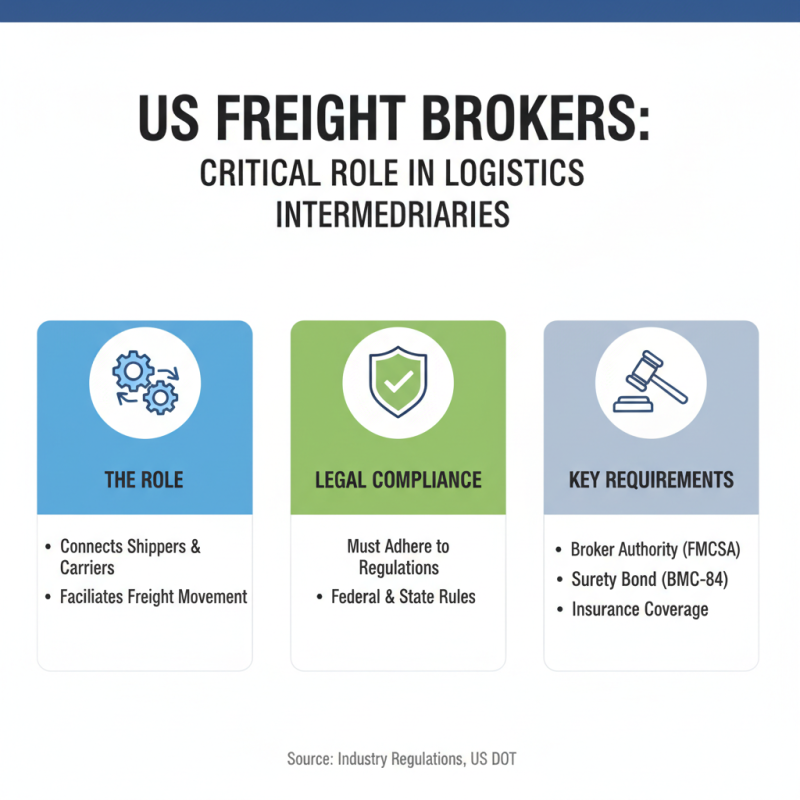
In the United States, freight brokers play a critical role in logistics. They act as intermediaries between shippers and carriers. To operate legally, these brokers must adhere to several regulatory requirements.
One key requirement is obtaining a freight broker license from the Federal Motor Carrier Safety Administration (FMCSA). This involves completing a formal application and demonstrating a thorough understanding of transportation regulations. Brokers must also secure a surety bond, which protects clients from potential losses.
Additionally, freight brokers must maintain detailed records of transactions. This includes tracking shipments and ensuring compliance with industry standards. They should also stay informed about changes in regulations. The landscape is dynamic, and brokers face challenges in keeping up. Ensuring compliance can be complex, and oversight may lead to missed opportunities. This level of accountability is crucial for maintaining trust with clients and carriers.