What is Truck Brokerage and How Does It Work?
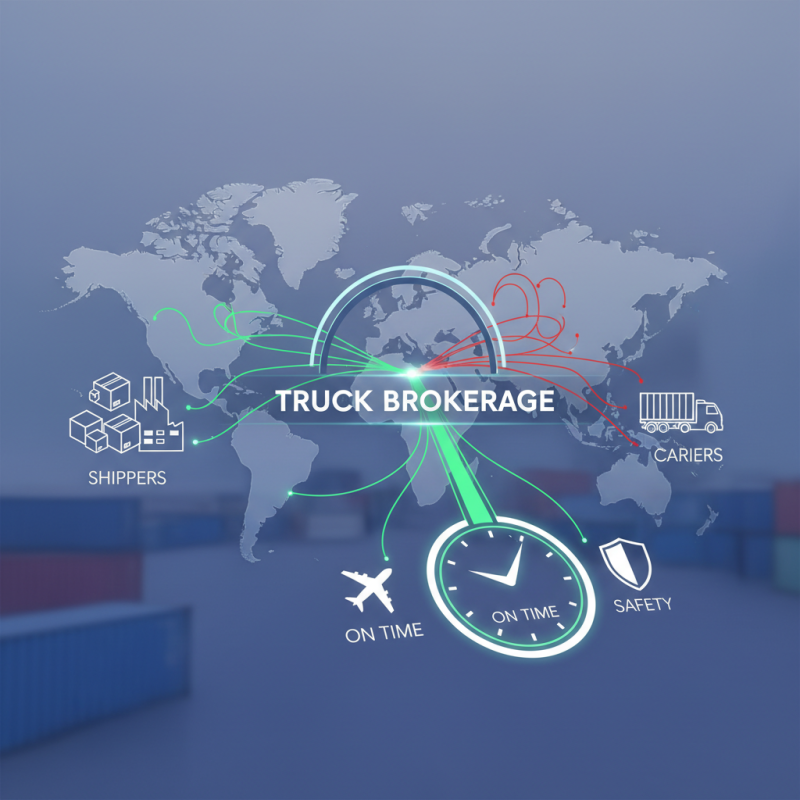
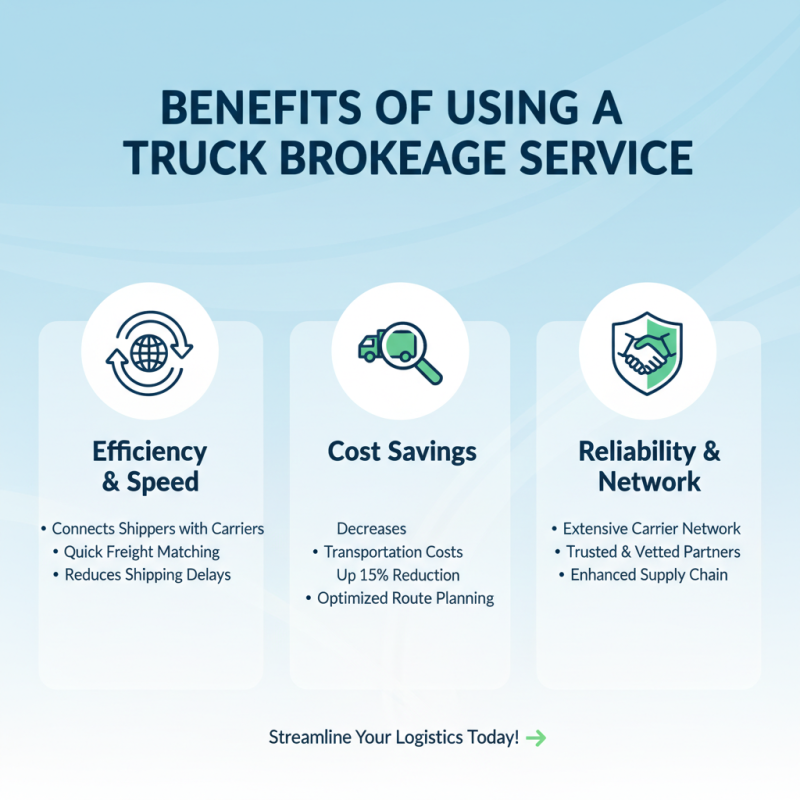
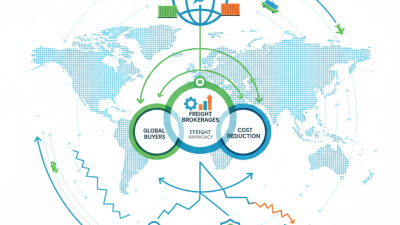
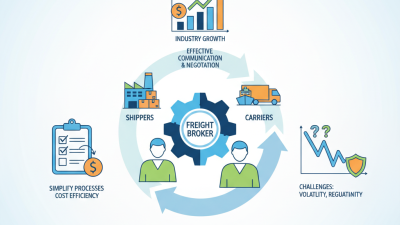
Truck brokerage plays a vital role in the logistics industry. It acts as a bridge between shippers and carriers. This system helps to streamline transportation and enhance efficiency. Many businesses rely on truck brokers to find reliable freight carriers.
A truck brokerage facilitates negotiation terms and pricing. This can save time for both shippers and carriers. Brokers have industry knowledge and connections, helping to match loads with available trucks. However, the process can sometimes be confusing. Not every broker operates the same way.
Understanding how truck brokerage works is essential. Some brokers may lack transparency, leading to trust issues. This can affect the overall shipping experience. Yet, a good truck broker brings invaluable support. They ensure shipments reach their destination safely and on time. Thus, choosing the right broker requires careful consideration.
What is Truck Brokerage?
Truck brokerage serves as a crucial link between shippers and carriers. Brokers help shippers find reliable carriers to transport their goods. They streamline the logistics process, ensuring timely and cost-effective deliveries. A good broker uses their expertise to match the right carrier with specific shipping needs.
Understanding the role of a truck broker can simplify logistics management. Brokers have access to a broad network of carriers. They can navigate the complexities of pricing, capacity, and regulations. However, not all brokers operate the same way. It’s vital to research their background and reputation. Checking reviews and credentials can provide insight into their reliability.
Tips: Always verify a broker's authority and licensing. This protects you from potential fraud. Ask for references from previous clients. Furthermore, reviewing contracts carefully can unveil hidden fees. Transparency is key in any brokerage arrangement. Lastly, trust your instincts. If something feels off, seek other options.
The Role of a Truck Broker in the Transportation Industry
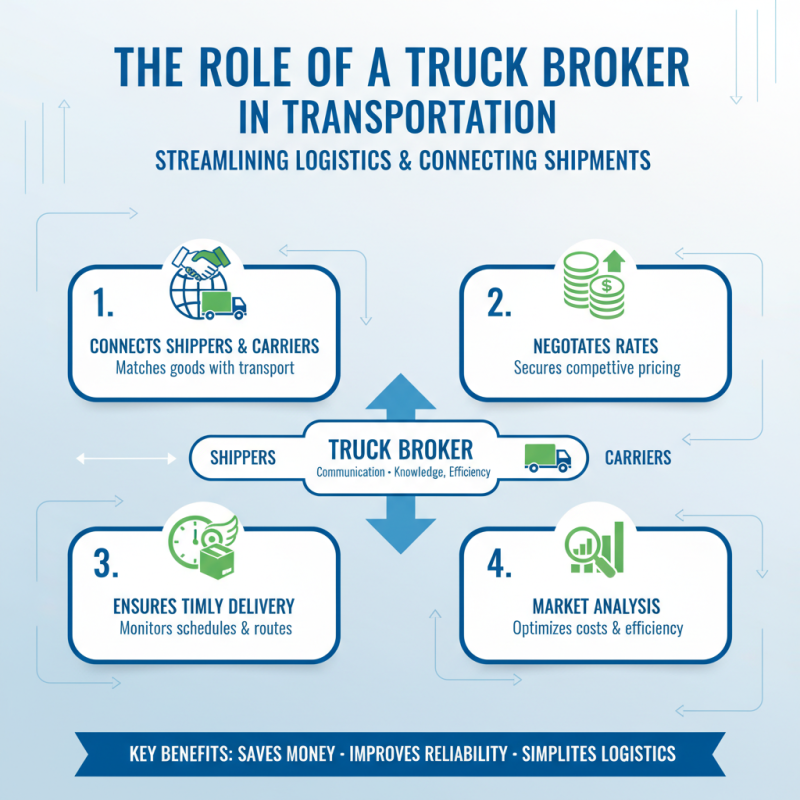
In the transportation industry, truck brokers play a crucial role. They connect shippers with carriers, streamlining the logistics process. A truck broker's job involves negotiating rates and ensuring timely deliveries. This requires strong communication skills and industry knowledge. Brokers analyze market trends to offer competitive pricing, which helps shippers save money.
However, the effectiveness of truck brokers can vary. Some brokers may lack experience, leading to suboptimal decisions. It's essential for shippers to choose brokers with a solid reputation and proven track record. Trust is vital, as brokers handle the logistics of moving products across distances. If a broker fails to vet carriers properly, it could result in delays or damage to goods.
Transparency is key in broker relationships. Both parties must share information openly to avoid misunderstandings. Brokers should provide updates on shipment status and address any concerns immediately. This proactive communication can prevent potential issues and foster long-term partnerships. Ultimately, a competent truck broker serves not just as a middleman but as a vital partner in the logistics chain.
How Truck Brokerage Operates: Step-by-Step Process
Truck brokerage plays a crucial role in the logistics industry. It connects shippers who need to transport goods with carriers who have the capacity to move those goods. Understanding how this process operates can clarify the efficient flow of freight.
Initially, the broker receives shipping requests from clients. This includes details about the shipment type, destination, and timing. The broker assesses these details to find suitable carriers. They maintain a network of reliable carriers to ensure varied options. After finding a match, the broker negotiates rates and terms. Good communication is essential at this stage.
Once both parties agree, the broker facilitates the transport. They handle documentation, such as bills of lading and insurance. Tracking the shipment becomes a priority. Brokers sometimes face challenges, like last-minute cancellations or delays. Reflection on these issues helps them improve future operations. Building trust and reliability is critical. A successful broker understands these dynamics well and continually adapts their strategies.
What is Truck Brokerage and How Does It Work?
| Step |
Description |
Key Parties Involved |
Duration |
| 1 |
Initial Consultation |
Shipper, Broker |
1-2 Days |
| 2 |
Carrier Selection |
Broker, Carriers |
2-3 Days |
| 3 |
Negotiation of Rates |
Broker, Shipper, Carriers |
1-2 Days |
| 4 |
Load Assignment |
Broker, Carrier |
Same Day |
| 5 |
Transportation and Tracking |
Broker, Carrier, Shipper |
Duration of Trip |
| 6 |
Delivery and Payment |
Shipper, Carrier, Broker |
1-2 Days |
Key Challenges Faced by Truck Brokers in the Market
Truck brokerage plays a crucial role in the logistics industry. However, truck brokers face key challenges that can impact their operations. One significant issue is the fluctuating market demand. When demand spikes, it can be difficult for brokers to secure enough trucks to meet clients' needs. This often leads to delays and customer dissatisfaction.
Another challenge is managing relationships. Building trust with both carriers and shippers is essential. Brokers need to communicate effectively, but this can be time-consuming. Miscommunication can lead to errors, such as incorrect load information, which can upset all parties involved. Additionally, brokers must navigate complex regulations in the industry. These regulations can vary by state or region, adding another layer of difficulty.
The financial aspect is also a worry. Brokers must keep tight control over their profit margins while ensuring competitive pricing. Late payments from clients can strain cash flow. Moreover, market volatility influences pricing strategies, making it harder to predict revenues accurately. As brokers adapt, continual reflection on these challenges is necessary for improvement and sustainability in the industry.
Truck Brokerage Market Challenges