Top Truck Brokerage Trends Shaping the Future of Freight Transport?
The trucking industry is evolving rapidly. One significant force driving this change is truck brokerage. These intermediaries play a crucial role in connecting shippers with carriers. As technology advances, the dynamics of truck brokerage are shifting.
Drivers and companies alike are starting to embrace digital platforms. These tools enhance efficiency and streamline operations. However, this shift also presents challenges. Many small brokerages struggle to keep up with larger firms. They risk being left behind in a tech-driven market.
Data analytics is transforming decision-making processes. Truck brokers who leverage data can optimize routes and reduce costs. But relying solely on technology raises concerns about human touch. Relationships matter in this industry. Balancing tech advancements with personal connections is vital for success. As these trends unfold, the future of truck brokerage remains uncertain yet full of potential.

Emergence of Digital Platforms in Truck Brokerage Services
The rise of digital platforms is reshaping truck brokerage services. These platforms streamline communication between shippers and carriers. Users find it easier to connect, leading to increased efficiency. Real-time tracking and automated updates are game changers. They allow stakeholders to stay informed about shipment statuses.
However, the reliance on technology isn’t without drawbacks. Digital platforms can create over-dependence on algorithms. Human touch is sometimes lost in this process. While efficiency improves, trust can falter when automated responses replace personal interactions. Additionally, not every user is tech-savvy. This digital divide may leave some behind.
Moreover, data security is a pressing concern. As digital platforms gather more information, risks increase. Companies must invest in cybersecurity measures. They must also educate users about potential vulnerabilities. Balancing innovation with caution is crucial for the industry’s future.
Top Truck Brokerage Trends Shaping the Future of Freight Transport
| Trend |
Description |
Impact |
Year Identified |
| Digital Platforms |
Increase in the use of digital brokerage platforms that connect shippers with carriers. |
Improved efficiency and reduced costs in freight matching. |
2023 |
| Data Analytics |
Utilization of big data analytics for better decision-making in routing and capacity provision. |
Enhanced operational insights leading to optimized freight operations. |
2022 |
| Automation |
Implementation of automated processes for order management and tracking. |
Reduced manual errors and increased speed of operations. |
2023 |
| Sustainability Initiatives |
Growing emphasis on green logistics and reducing carbon footprint. |
Enhanced brand reputation and compliance with regulations. |
2023 |
| Customer-Centric Services |
Focus on personalized services and improved customer experience. |
Increased customer loyalty and satisfaction rates. |
2022 |
Impact of Artificial Intelligence on Freight Pricing and Load Matching
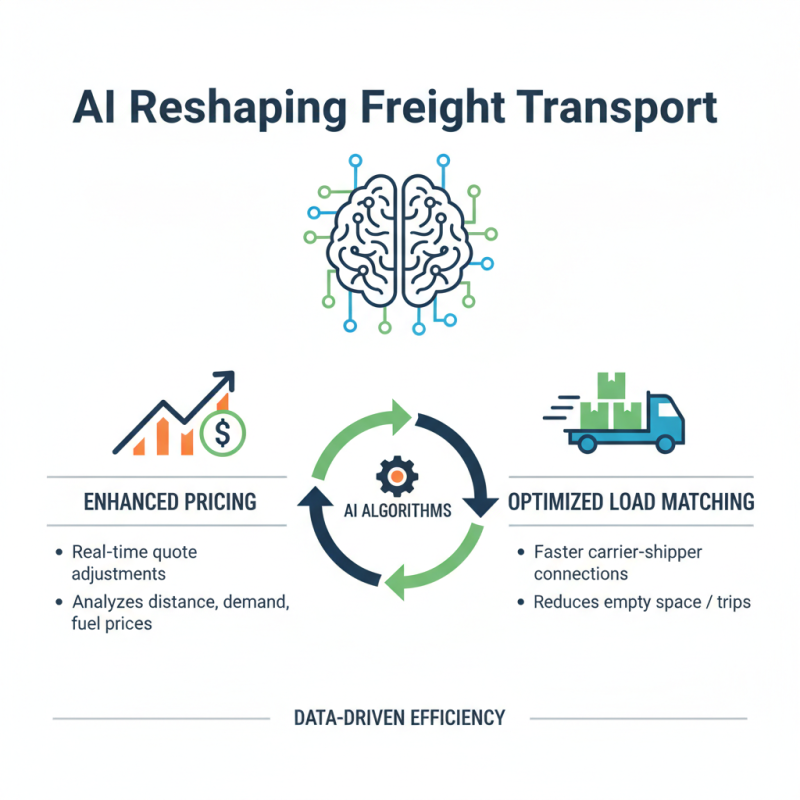
Artificial Intelligence is reshaping freight transport in significant ways. It enhances pricing strategies and optimizes load matching. With AI algorithms, freight brokers can analyze historical data swiftly. This allows real-time adjustments to quotes. Factors like distance, demand, and fuel prices influence rates more accurately now.
Tips: Regularly update data inputs. They can change rapidly. Ensure that your AI systems adapt to these shifts. Feedback loops are vital. They help refine accuracy over time.
Load matching becomes more efficient with AI. Predictive analytics can foresee demand surges. Brokers can fill empty loads, reducing wasted space and costs. However, AI systems are not without flaws. Sometimes, they misinterpret complex data patterns. Regular audits of the AI processes are necessary.
Tips: Monitor algorithm performance. Analyze discrepancies that arise. Invest in training for your team on AI insights. Understanding limitations is crucial for leveraging technology effectively.
Sustainability Trends and Their Influence on Truck Brokerage Operations
Sustainability has become a driving force in truck brokerage operations. The push for greener practices shapes how brokers work with carriers. Companies are now vying to reduce their carbon footprint. This shift impacts decision-making processes throughout the supply chain. Fleet management now considers eco-friendly vehicles and fuel alternatives.
Implementing sustainable practices can be challenging. For instance, switching to electric trucks involves significant investment. Many companies are hesitant due to high upfront costs. However, the long-term benefits can outweigh these initial hiccups. Embracing technology can help track emissions and optimize routes.
Tip: Explore collaborative partnerships for sharing electric vehicle infrastructure. This can lower individual burdens and bolster community efforts. Regularly assess your sustainability goals. Adjust them as necessary to align with industry standards. These steps can ensure your operations remain competitive and responsible.
Top Truck Brokerage Trends Shaping the Future of Freight Transport
This chart illustrates various trends influencing truck brokerage operations in the freight transport industry, focusing on sustainability initiatives, technological advancements, and market demand among other factors. The percentages represent the estimated influence of each trend on operations.
The Role of Blockchain in Enhancing Transparency in Freight Transport
The emergence of blockchain technology offers a promising solution to transparency issues in freight transport. Over 70% of logistics companies believe that blockchain can improve supply chain transparency, according to recent studies. This technology allows real-time tracking of shipments. It enhances accountability among stakeholders, reducing disputes and misunderstandings.
Many transportation firms are exploring blockchain for more efficient operations. The global logistics industry is projected to spend over $1.9 billion on blockchain by 2023. However, there are challenges. Adoption rates remain low, with only 5% of companies fully integrating blockchain systems. Many still struggle with the technical complexities and the need for widespread industry collaboration.
Data integrity is crucial. Blockchain can verify the authenticity of documents, such as bills of lading. This reduces the risk of fraud, which affects up to 7% of shipments globally. Yet, not all companies have the infrastructure to benefit fully. The path to seamless integration requires further investment and strategic changes. As the industry evolves, the role of blockchain in ensuring transparency could reshape freight transport significantly.
Changing Regulatory Landscape and Its Effect on Truck Brokerage Models
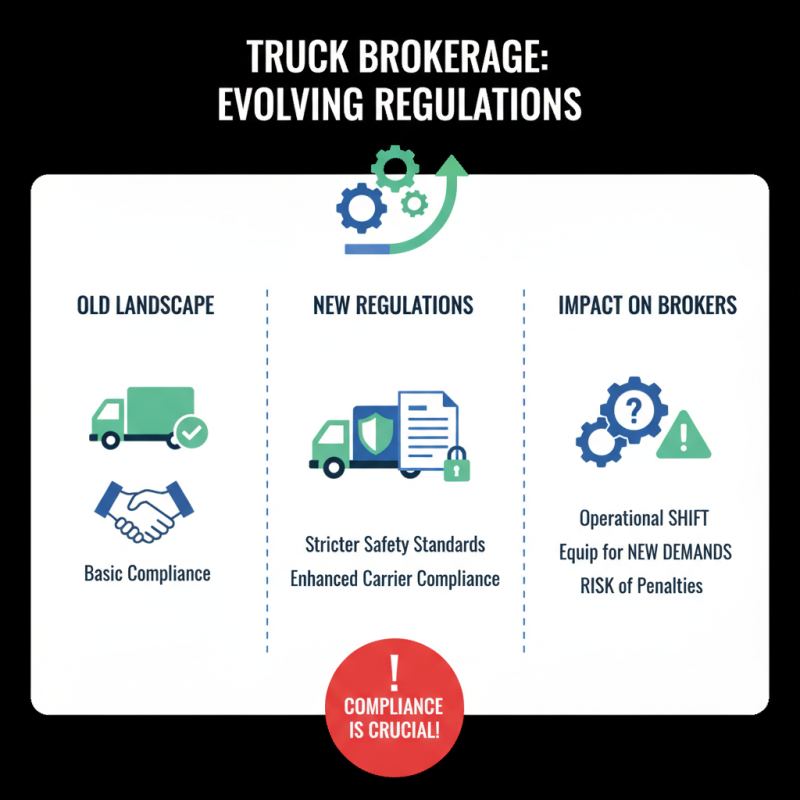
The regulatory landscape for truck brokerage is evolving rapidly. New regulations can reshape operational frameworks. For instance, stricter safety standards are being introduced. These require brokers to ensure compliance from carriers. Non-compliance could lead to penalties. Many brokers may not be equipped to handle these changes effectively.
Additionally, data privacy regulations are becoming more stringent. Brokers must now manage sensitive information more carefully. This shift increases the need for better technology solutions. But investing in such technology might be costly and complex. Smaller brokerages, in particular, may struggle with this transition. They may find it challenging to scale operations while adhering to regulations.
Market dynamics are also shifting. As e-commerce continues to grow, demand for swift service increases. Brokers must adapt quickly to stay competitive. However, balancing speed and compliance poses a dilemma. Many might overlook regulatory changes while focusing on customer demands. This oversight can lead to serious ramifications. Adapting to these trends is not easy, but it is vital.