Top Trends in Truck Brokerage for 2025: What You Need to Know
The landscape of truck brokerage is evolving rapidly, driven by technological advancements and shifting market demands. According to a recent report by the American Trucking Associations, the freight brokerage industry is projected to reach a staggering $40 billion by 2025, reflecting a robust growth trajectory fueled by increased e-commerce activities and the need for efficient supply chain solutions. This growth highlights the importance of understanding the top trends that will shape the truck brokerage sector in the coming years.
Industry expert, John Smith, a leading analyst at FreightWave, emphasizes, "The future of truck brokerage will be defined by data-driven decision-making and real-time connectivity between shippers and carriers." As artificial intelligence and machine learning continue to redefine operational efficiencies, brokers must prioritize technology investments that enhance their service offerings. Automation, digital platforms, and enhanced visibility are not just trends; they are essential components for survival in an increasingly competitive marketplace.
Furthermore, sustainability is becoming a critical focus for the truck brokerage industry, as stakeholders seek to reduce their environmental footprint. With the push towards greener logistics solutions, brokers are not only challenged to provide cost-effective services but also to adopt practices that align with their clients' sustainability goals. Understanding these dynamics will be crucial for brokers aiming to thrive in 2025 and beyond, making it imperative to stay ahead of the curve in this transformative time.

Emerging Technologies Shaping the Truck Brokerage Industry in 2025
As the truck brokerage industry moves towards 2025, emerging technologies are set to revolutionize the way freight is managed and handled. One of the foremost trends is the integration of artificial intelligence (AI) and machine learning (ML) into logistics operations. These technologies can enhance route optimization, predict load capacities, and improve pricing strategies, allowing brokers to make data-driven decisions that increase efficiency and reduce costs. By analyzing vast amounts of historical shipping data, AI algorithms can identify patterns and trends, offering brokers insights that were previously unattainable.
In addition to AI and ML, the rise of blockchain technology is transforming transparency and security within truck brokerage. By utilizing decentralized ledgers, brokers can ensure that every transaction is recorded and accessible, reducing the potential for fraud and enhancing trust among all parties involved. This technology also streamlines the documentation process, allowing for faster transactions and a more seamless flow of information between shippers, carriers, and brokers. As these technologies continue to evolve, they will undoubtedly reshape the operational landscape, making truck brokerage more efficient, reliable, and responsive to the nuances of the logistics market.
Top Trends in Truck Brokerage for 2025: What You Need to Know
| Trend |
Description |
Impact |
Year of Adoption |
| AI-Driven Analytics |
Use of artificial intelligence to optimize routes and improve decision-making. |
Increases efficiency and reduces operational costs. |
2025 |
| Blockchain Technology |
Enhancing transparency and security in transactions and shipment tracking. |
Builds trust among partners and customers. |
2025 |
| Last-Mile Delivery Solutions |
Innovative solutions to manage final delivery efficiently and cost-effectively. |
Improves customer satisfaction and reduces delivery times. |
2025 |
| Sustainability Practices |
Implementing eco-friendly practices to reduce carbon footprint. |
Aligns with global sustainability goals and enhances brand reputation. |
2025 |
| Telematics Integration |
Utilizing telematics for real-time tracking and fleet management. |
Enhances operational visibility and helps in proactive decision-making. |
2025 |
Market Trends Impacting Freight Demand and Supply Chains in 2025
As we look towards 2025, several market trends are poised to significantly impact freight demand and supply chains in the trucking brokerage sector. The projected growth of e-commerce is expected to be a driving force, with research indicating that global e-commerce sales will exceed $6 trillion by the end of 2024. This surge in online shopping will create increased demand for efficient freight solutions, leading brokers to adapt their operations to support faster delivery times while managing costs effectively.
Additionally, the evolving landscape of consumer expectations and sustainability initiatives is reshaping supply chain strategies. A recent report by a leading logistics consultancy indicated that 70% of consumers prefer companies that demonstrate environmental accountability. As a result, trucking brokerages are likely to focus more on sustainable practices, implementing advanced technologies, such as route optimization algorithms and electric vehicles, to reduce their carbon footprint while maintaining service levels.
Furthermore, geopolitical factors and supply chain disruptions, as evidenced by the impact of the COVID-19 pandemic, underscore the need for resilient logistics solutions. Industry analysts anticipate that the diversification of supply sources will continue to be a critical trend, prompting brokerages to enhance their networks and partnerships. According to a recent study, nearly 60% of logistics firms are investing in technology to improve visibility and adaptability in their supply chains, showcasing a shift towards more integrated operations.
Regulatory Changes and Their Effects on Truck Brokerage Operations
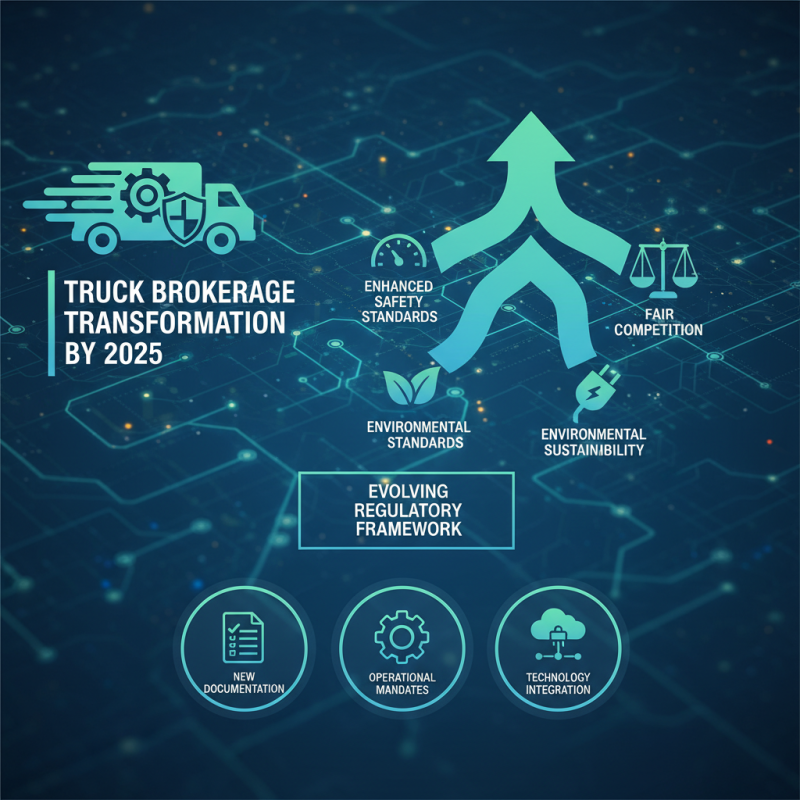
The landscape of truck brokerage is poised for significant transformation by 2025, driven largely by an evolving regulatory framework. Recent shifts in transportation regulations aim to enhance safety standards, improve environmental sustainability, and promote fair competition among brokers. As these regulations unfold, trucking professionals will need to adapt their operations to ensure compliance while maintaining efficiency. This includes staying informed about new documentation requirements, operational mandates, and the integration of technology that meets regulatory standards.
Furthermore, regulatory changes can have a cascading effect on freight pricing and availability. With stricter regulations on emissions and vehicle safety, brokers may face increased costs, which could be passed down to shippers and ultimately affect pricing models within the brokerage industry. Additionally, the introduction of new licensing requirements or training protocols for freight brokers could create operational bottlenecks. Staying proactive and investing in compliance training and technology will be paramount for brokers wanting to navigate these changes successfully and maintain their competitiveness in the market.
Sustainability Initiatives in Truck Brokerage: Adapting for a Greener Future
As the truck brokerage industry evolves towards 2025, sustainability initiatives are becoming a key focus. The logistics sector is responsible for nearly 29% of total greenhouse gas emissions in the United States, highlighting the urgent need for greener practices. According to a recent report by the Sustainable Freight Initiative, implementing eco-friendly strategies within truck brokerage could reduce emissions by up to 25% over the next decade. This shift is not just beneficial for the planet; it can also lead to significant cost savings for brokerage firms, as fuel-efficient practices and optimized routing decrease operational costs.
Moreover, trucking companies are increasingly leveraging technology to track and reduce their carbon footprint. The integration of telematics and Artificial Intelligence is enabling brokers to manage fleets more sustainably, allowing for real-time data analysis that supports greener decision-making. A study by the Council of Supply Chain Management Professionals noted that companies embracing sustainability could see a 20% increase in customer loyalty, as consumers are becoming more environmentally conscious. This growing trend indicates a clear market shift, urging truck brokerage firms to adapt or risk falling behind in a competitive landscape.
Top Trends in Truck Brokerage for 2025
This chart illustrates the key trends in truck brokerage for 2025, focusing on sustainability initiatives, digital transformation, real-time tracking, data analytics, collaboration, and customer experience, along with their importance level on a scale from 1 to 10.
The Role of Data Analytics in Enhancing Truck Brokerage Efficiency
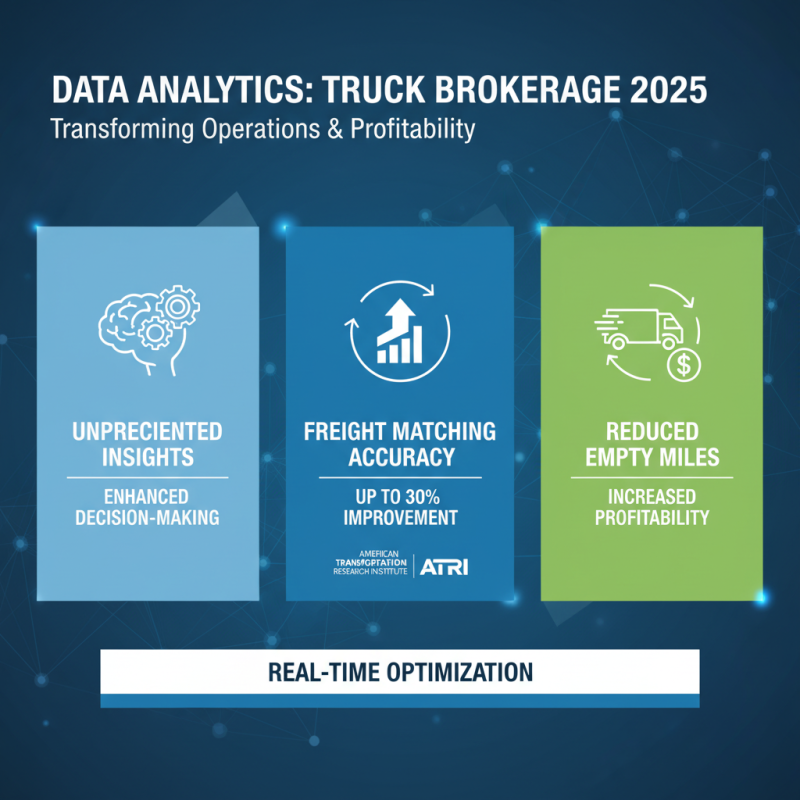
Data analytics is transforming the truck brokerage landscape as we approach 2025, offering unprecedented insights that enhance operational efficiency and decision-making. According to a recent industry report by the American Transportation Research Institute, companies leveraging data analytics can improve freight matching accuracy by up to 30%. This optimization not only reduces empty miles but also increases profitability by enabling brokers to make informed, real-time decisions.
Utilizing advanced analytics tools allows truck brokers to analyze patterns in shipping data, customer behaviors, and market trends. For instance, predictive analytics can forecast demand fluctuations, allowing brokers to allocate resources more effectively. Additionally, performance metrics derived from data can highlight areas where operational processes may be lagging, empowering companies to streamline workflows and reduce overhead costs.
**Tips for Implementation:** Consider investing in a robust data analytics platform that integrates with your existing systems. Establish key performance indicators (KPIs) to measure the success of your analytics efforts frequently. Finally, ensure that your team is trained in interpreting data insights effectively, as leveraging this information will be crucial for maintaining a competitive edge in the rapidly evolving truck brokerage sector.