Top 10 Shipping Brokerage Companies You Should Know?
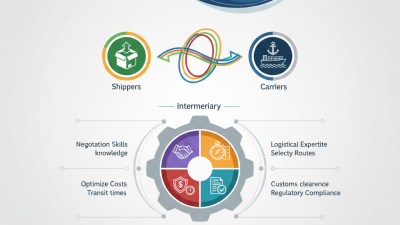
In the ever-evolving world of international trade, understanding shipping brokerage companies is essential. These firms act as intermediaries between shippers and carriers, facilitating smooth transportation of goods. With the rise of global commerce, the role of shipping brokers has become more critical. They help businesses navigate complex logistics and ensure compliance with regulations.
Choosing the right shipping brokerage company can be challenging. Many factors come into play, such as reliability, expertise, and network reach. Some companies are recognized for their robust service offerings. Others may falter in delivering consistent support. Clients must assess these firms carefully, as not all brokers meet industry standards.
In our exploration of the top 10 shipping brokerage companies, we will highlight both reputable firms and those that may leave clients wanting more. While many brokers excel in efficiency, a few may still struggle with transparency. It’s crucial to weigh each company’s strengths and weaknesses to make an informed decision. Understanding these aspects will empower businesses to thrive in a competitive market.

Overview of Shipping Brokerage Companies
Shipping brokerage companies play a vital role in the global trade landscape. They act as intermediaries between shippers and carriers. These companies arrange the transportation of goods by sea, ensuring that shipments are executed smoothly. Brokers possess in-depth market knowledge and negotiate best rates. Their expertise can save businesses money and time.
In the competitive world of shipping, reliability is key. A top brokerage firm not only understands logistics but also anticipates potential challenges. They can navigate unexpected delays or changes in shipping routes. However, not all brokers meet high standards. Some may lack transparency or fail to communicate effectively. Establishing a trustworthy partnership is crucial for success in shipping transactions.
The shipping industry is complex and ever-evolving. Brokers must stay informed about regulations and market trends. They often offer additional services such as insurance and customs clearance. Understanding these services can enhance a business's shipping strategy. Engaging with a knowledgeable broker can make all the difference between smooth sailing and turbulent waters.
Top 10 Shipping Brokerage Companies You Should Know
| Brokerage Company |
Headquarters |
Founded |
Specialization |
Annual Revenue (Est.) |
| Brokerage A |
New York, USA |
1995 |
Container Shipping |
$500M |
| Brokerage B |
London, UK |
2000 |
Oil and Gas |
$1B |
| Brokerage C |
Singapore |
2010 |
Bulk Shipping |
$300M |
| Brokerage D |
Tokyo, Japan |
1985 |
Cruise Shipping |
$750M |
| Brokerage E |
Dubai, UAE |
2005 |
Luxury Yachts |
$200M |
| Brokerage F |
Amsterdam, Netherlands |
2015 |
Freight Forwarding |
$400M |
| Brokerage G |
Hong Kong |
2020 |
Cold Chain Logistics |
$150M |
| Brokerage H |
Los Angeles, USA |
1990 |
Automotive Shipping |
$600M |
| Brokerage I |
Sao Paulo, Brazil |
1998 |
Agricultural Products |
$350M |
| Brokerage J |
Toronto, Canada |
2003 |
E-commerce Logistics |
$250M |
Criteria for Evaluating Shipping Brokerage Firms
Evaluating shipping brokerage firms requires a structured approach. Start with their industry experience. Brokerage firms with a long track record typically understand market fluctuations better. They can navigate challenges more efficiently. Additionally, their experience often translates to deeper connections. Strong relationships with carriers can lead to better rates and service.
Next, consider their expertise in logistics. A knowledgeable brokerage firm should have a comprehensive understanding of shipping regulations and protocols. They should be able to offer insights on customs, tariffs, and international trade. This knowledge can prevent costly delays and enhance compliance. Regular training and updates on industry changes reflect a firm’s commitment to professionalism.
Reliability is another critical factor. Look for firms with consistent performance records. Client testimonials and case studies can shed light on their reputation. It's valuable to analyze how they handle disputes or unexpected issues. A firm's transparency in these situations indicates their ethical standards and their willingness to resolve problems effectively. Recognizing that no brokerage is perfect is essential. Even reliable firms can face setbacks. Evaluating their responses to these challenges is key to understanding their true value.
Top 10 Shipping Brokerage Companies - Performance Metrics
Top 10 Shipping Brokerage Companies: A Detailed Analysis
The shipping brokerage industry plays a critical role in global trade. It connects shippers with carriers, optimizing logistics and improving efficiency. According to the latest report from the International Maritime Organization, the shipping industry handles about 80% of global trade by volume. This dependency underscores the importance of reliable brokerage services.
Analyzing the key players reveals some interesting trends. Many top brokers emphasize technology to enhance service delivery. A study by McKinsey & Company suggests that digital platforms could reduce operating costs by up to 30%. However, not all companies keep pace with technological advancements. Some firms struggle to adopt new systems, hindering their competitiveness. Their reluctance to innovate may cost them market share in a rapidly evolving environment.
Customer service is equally important. Reports indicate that 70% of customers prioritize relationships over pricing. Yet, many companies often overlook this aspect. They focus too heavily on price competitiveness. This misalignment can lead to customer dissatisfaction. As a result, brokers need to reflect on their strategies. Balancing technology adoption with strong customer relations is crucial for sustainable growth.
Key Services Offered by Leading Shipping Brokers
In the competitive landscape of shipping, leading brokerage firms offer a range of key services that ensure efficient supply chain management. These companies are instrumental in negotiating freight rates, securing vessel space, and providing valuable market insights. For instance, a recent report by the International Maritime Organization highlights that shipping brokers can influence freight costs by up to 20%. This demonstrates their critical role in helping clients optimize shipping strategies.
Moreover, many shipping brokers provide end-to-end logistics support. They arrange for customs clearance, freight insurance, and cargo tracking. According to a study by McKinsey, nearly 75% of companies that utilize shipping brokers find improved operational efficiency. This statistic reflects the value of expert guidance in navigating complex international regulations and logistics challenges. However, not all brokers maintain the same level of service quality. Businesses should conduct due diligence when selecting a brokerage partner.
Communication is another imperative service offered by shipping brokers. Effective communication helps in addressing issues proactively. Regular updates on shipping status and potential delays are crucial in maintaining supply chain continuity. Yet, misunderstandings can occur if information isn’t conveyed clearly. Businesses should strive for transparent interactions with brokers to mitigate risks and enhance collaboration.
Future Trends in the Shipping Brokerage Industry
The shipping brokerage industry is experiencing significant changes. Digital transformation is reshaping how these companies operate. Automation and artificial intelligence are becoming central to brokerage operations. Many firms are adopting tech-driven platforms for better efficiency. This trend allows for real-time tracking and data analysis. Consequently, brokers can provide improved services to their clients.
Sustainability is another crucial focus. The pressure to reduce carbon emissions is increasing within the shipping sector. As a result, brokers are encouraged to adopt greener practices. Eco-friendly initiatives are being integrated into logistics planning. This shift not only helps the environment but can offer cost savings for companies. However, the transition can be challenging. Many brokers struggle to balance traditional methods with new sustainable practices.
The need for skilled professionals is rising. With technological advancements, knowledge in data analytics is vital. Brokers must also adapt to changing regulations in global shipping. Continuous professional development is essential. However, not all firms are prepared for this shift. Some may find it tough to keep up with evolving industry demands. Embracing change is crucial, but it requires commitment and adaptability.