What Are the Top Ship Brokerage Firms in China?
China’s ship brokerage market is shaped by the scale of its ports, shipowners, and cargo flows. For buyers comparing ship brokerage firms, the challenge is not simply finding a familiar name. It is assessing access to reliable market intelligence, vessel availability, chartering expertise, and clear communication when schedules change.
The scale is significant. UNCTAD’s Review of Maritime Transport 2024 reported that global seaborne trade grew by 2.4% in 2023 and projected growth of 2% for 2024. These figures offer useful context, but they do not rank Chinese brokers or measure service quality. A firm’s fit still depends on the vessel type, route, transaction, and strength of its local relationships. Details matter: a delayed fixture or unclear fee can change the economics of a voyage.
Peter Sand, Xeneta’s Chief Analyst, regularly explains freight-market shifts through the balance of supply and demand. In practical terms, that is a useful lens for evaluating brokers: ask how their market views are supported, not just how confidently they are presented. This introduction examines leading firms through that lens, while recognizing that public rankings are incomplete and can quickly become outdated. No list is definitive.
China’s Ship Brokerage Industry: Scope and Market Structure
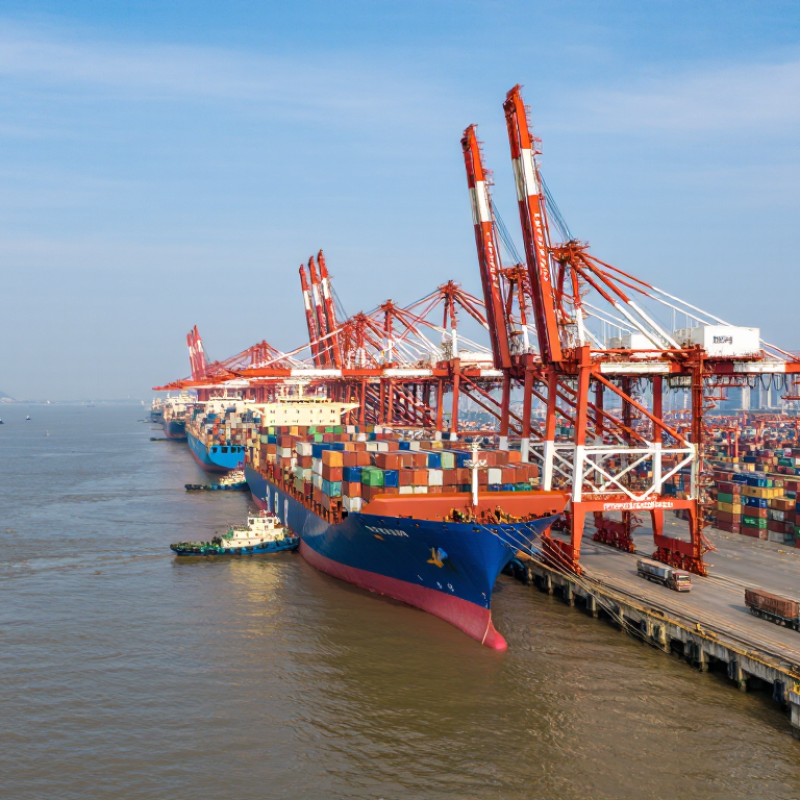
China’s ship-brokerage industry serves a broad maritime market: vessel chartering, sale and purchase, newbuilding negotiations, and market intelligence. The work is often highly specialized. A dry-bulk broker may track cargo flows and port queues, while a tanker desk watches different vessel availability and freight signals. Shipbrokers connect shipowners, charterers, shipyards, and buyers; they do not generally own the vessels they arrange. This distinction matters when comparing firms.
UNCTAD’s Review of Maritime Transport 2024 reports that global seaborne trade reached 12.3 billion tonnes in 2023, up 2.4% year on year. It projected growth of 2.0% for 2024. Those figures describe shipping demand, not brokerage revenue. That gap is real. Public data rarely separates Chinese brokerage income by service line, so rankings based on scale can be misleading. A narrow lens. In practice, the market is segmented: some firms cover several vessel classes, while many focus on particular routes, cargoes, or transactions. Local port knowledge, trusted counterparties, and timely fixture information remain practical advantages, though they are difficult to measure consistently.
Criteria for Identifying Leading Ship Brokerage Firms
In China, a ship brokerage firm should be judged by evidence, not by a polished website. Review its completed fixtures, vessel types, cargo segments, and activity across relevant ports. Ask how recent its market data is and whether it can explain rate assumptions clearly. Request references from clients with comparable routes or vessel requirements. Numbers matter. A long client list alone says little about execution quality. When possible, compare several recent deals rather than relying on one impressive transaction or an isolated quote.
Strong brokers communicate promptly, document offers accurately, and flag uncertainty before it becomes a costly surprise. Compare fee terms, service scope, response times, and the people who will handle your account. For cross-border work, assess language capability and familiarity with local port practices, then verify claims independently. Ask what happens when schedules shift or counterparties change their position. Details count. There is no perfect scorecard; the right criteria depend on your vessel and trading needs. Even careful screening cannot remove market risk: a broker’s estimate may still miss, so treat it as a forecast, not a guarantee.
Leading Ship Brokerage Firms in China
China’s leading ship brokerage firms earn trust through local port knowledge, clear transaction records, and practical access to owners, operators, shipyards, and charterers. Top brokers support vessel sales and purchases, chartering, valuations, and market research. They should explain comparable sales, inspection limits, payment milestones, and commission terms in plain language. For overseas clients, bilingual communication and familiarity with Chinese port procedures can prevent avoidable delays. A polished ranking can still mislead; service quality varies by vessel type and route. Details matter.
UNCTAD’s Review of Maritime Transport 2024 reports that global maritime trade grew 2.4% in 2023, reaching 12.3 billion tonnes. That broader market growth makes timely, well-sourced advice valuable, but it does not prove any brokerage’s performance. Ask firms how recently they handled similar vessels, which data supports their valuation, and how they disclose potential conflicts. Check references, not just presentation decks. This step is easy to skip.
Tips: Request a written scope of service, fee schedule, and recent comparable transactions. Confirm who will handle inspections, negotiations, and document coordination. If estimates differ sharply, ask each broker to show the assumptions behind them.
China’s Ship Brokerage Landscape: Major Port Hubs
Annual cargo throughput at leading Chinese ports, 2023 (million tonnes)
Major port hubs create substantial demand for shipbroking services. Cargo throughput provides market context; it does not rank ship brokerage firms. Figures are rounded from 2023 port and municipal releases.
Key Services Offered by Chinese Ship Brokers
Chinese ship brokers support owners, charterers, and cargo interests with vessel employment and transaction services. Their chartering teams compare route requirements, cargo details, vessel capacity, and delivery windows. A practical recommendation may consider a ship’s draft, speed, and fuel use, not just its headline rate. Brokers also coordinate offers, counteroffers, and fixture details between parties. Good communication matters. A missed delivery date can affect an entire voyage plan.
For vessel sales and purchases, brokers help identify suitable ships, arrange inspections, and support negotiations on price and delivery. Some also advise on newbuilding opportunities and coordinate discussions with shipyards. Their market reports may track freight movements, vessel availability, and regional demand. Still, market data is only useful when its date and assumptions are clear. A polished report can miss local conditions, so ask how information was gathered and checked.
Tips: Define your needs before requesting proposals. Share the vessel type, route, timing, and service scope. Ask for recent transaction references and clear fee terms. Confirm who handles inspections, documentation, and schedule updates. Compare more than price; responsiveness and accurate reporting matter too. No broker removes every uncertainty. Some details will need a second look.
How to Choose a Ship Brokerage Firm in China
Choosing a ship brokerage firm in China starts with matching its experience to your transaction. Ask whether the team handles chartering, vessel sales, or both, and which vessel types it knows well. A broker familiar with your cargo and route can flag practical details, such as berth limits, draft restrictions, and likely port-call delays. Ask for recent, relevant references, not just a long client list. Check the firm’s registrations and operating credentials through appropriate public sources. Details matter.
Discuss fees, scope, and communication before sharing sensitive commercial information. Request a written explanation of commissions, payment milestones, and what happens if negotiations stop. Ask who will handle daily updates and whether they can explain shipping terms clearly in English and Chinese. A useful test: give the team a sample route and ask what information it still needs. Strong brokers ask specific questions about timing, vessel availability, and port conditions. Compare their answers, not just their quoted fees. No checklist is perfect. I would still leave room for doubt: schedules change, and a confident promise is not a guarantee. A careful firm documents assumptions, responds promptly, and tells you when it needs to verify a detail.