Top 10 Cargo Ship Brokers: How to Choose the Right One for Your Needs
In the intricate world of maritime logistics, selecting the right cargo ship broker is a pivotal decision for shipping companies. As highlighted by maritime expert Peter Davidson, "A knowledgeable cargo ship broker is essential for navigating the complexities of the shipping industry." The role of a cargo ship broker transcends mere freight arrangements; it involves providing invaluable insights into market trends, vessel availability, and cost efficiencies which can significantly influence a company's operational success.
When choosing a cargo ship broker, one must consider various factors including their industry experience, reputation, and the breadth of services they offer. The right broker can serve as a strategic partner, ensuring that your cargo is transported efficiently and safely, while also navigating the challenges that arise in international shipping. As we delve into the top ten cargo ship brokers, understanding what makes each one distinct will enable you to make an informed choice that aligns with your specific logistics needs and business goals.

Understanding the Role of Cargo Ship Brokers in Maritime Logistics
Cargo ship brokers play a vital role in the maritime logistics industry, acting as intermediaries between shippers and shipowners. Their primary responsibility is to facilitate the transportation of goods by arranging the chartering of vessels that suit specific shipping requirements. This involves understanding the nuances of both the cargo and the vessel's specifications, as well as negotiating terms that are favorable for both parties. By leveraging their market knowledge and relationships within the industry, brokers can help shippers find the right vessel at the right price, ensuring that logistics operations run smoothly.
In addition to matching ships with appropriate cargo, cargo ship brokers provide valuable insights into market trends, helping clients make informed decisions. They assist in navigating the complexities of shipping regulations and documentation, offering expertise that can mitigate potential delays and complications. Brokers can also enhance operational efficiency by providing updates on shipping schedules and potential disruptions. Understanding the broker’s role is crucial for businesses looking to optimize their supply chain and improve the overall effectiveness of their shipping operations.
Top 10 Cargo Ship Brokers: Performance Analysis
This chart displays the number of shipments coordinated by various cargo ship brokers over the past year. The data reflects the brokers' performance in terms of the total number of shipments, highlighting their effectiveness in maritime logistics.
Key Factors to Consider When Selecting a Cargo Ship Broker
When selecting a cargo ship broker, several key factors must be taken into consideration to ensure the best fit for your shipping needs. One of the most crucial points is the broker’s market knowledge and expertise. According to the International Chamber of Shipping, the global shipping industry is expected to handle over 11 billion tons of cargo annually by 2025. A proficient broker will possess the necessary understanding of various shipping markets and routes, enabling them to provide tailored solutions that optimize both costs and delivery timelines.
Another important factor is the broker’s network and relationships within the shipping community. A well-connected broker can negotiate better rates and secure space on vessels more effectively due to established relationships with shipowners and carriers. Research from Drewry, a leading maritime consultant, highlights that brokers who have direct access to a comprehensive fleet database can reduce lead times by up to 30%. Additionally, their ability to assess market trends and fluctuations can provide shippers with a competitive edge in an ever-evolving industry.
Lastly, evaluating a broker’s technology capabilities should not be overlooked. The integration of advanced tracking systems and data analytics has proven to enhance transparency and streamline operations. A study published in the Journal of Shipping and Trade indicates that companies utilizing digital platforms for cargo management have experienced a 25% improvement in operational efficiency. A broker that harnesses such technology can facilitate better communication throughout the shipping process, ensuring that all parties are informed and aligned with shipping schedules and documentation requirements.
Evaluating the Experience and Reputation of Cargo Ship Brokers
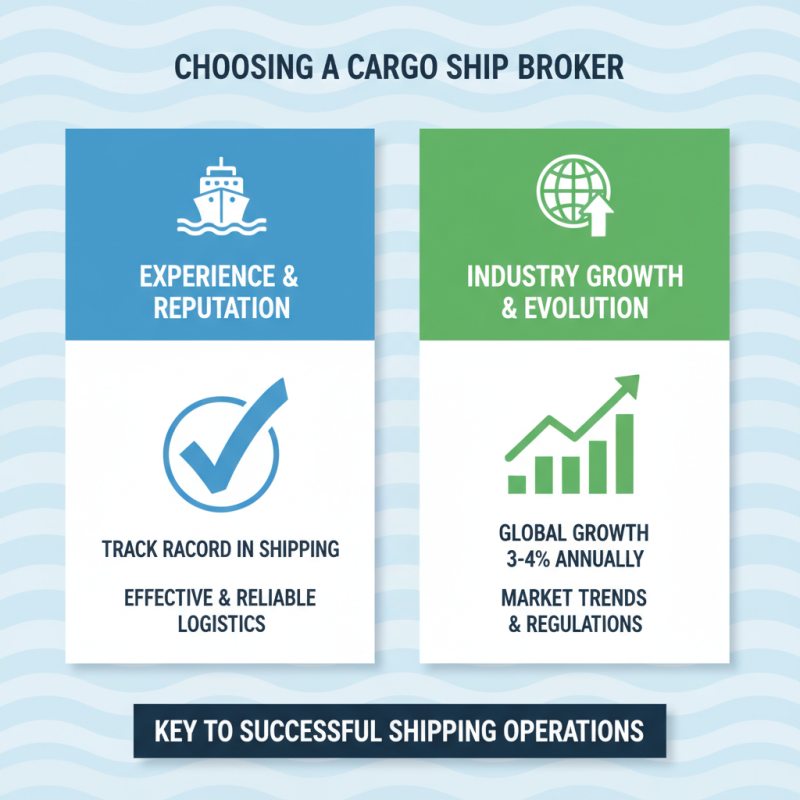
When selecting a cargo ship broker, evaluating their experience and reputation is paramount. A broker's track record in the shipping industry can significantly influence the effectiveness and reliability of your logistics operations. According to a report from the International Chamber of Shipping, the global shipping industry is projected to grow by 3-4% annually, underscoring the need for brokers who are not only experienced but also well-versed in evolving market trends and regulations.
In addition to experience, a broker's reputation within the industry can serve as a crucial indicator of their reliability. Client testimonials, industry awards, and partnerships can offer insights into a broker's standing. A survey conducted by the Baltic and International Maritime Council (BIMCO) indicated that 68% of shippers prioritize reputation when choosing a broker, as a strong reputation often correlates with solid negotiation skills, customer service, and adherence to safety standards. Furthermore, brokers affiliated with reputable organizations tend to offer enhanced credibility, providing clients with peace of mind that their cargo is in capable hands.
Overall, assessing a broker's experience alongside their reputation will provide a solid foundation for your decision-making process, allowing you to choose a partner that aligns with your logistics needs and goals in a competitive shipping landscape.
Comparing Fees and Services Offered by Different Cargo Ship Brokers
When selecting a cargo ship broker, it’s essential to compare the fees and services they offer to ensure you choose the right one for your specific shipping needs. According to a recent industry report by the International Maritime Organization, 70% of shipping companies prioritize two key factors when selecting brokers: transparent pricing structures and the range of services provided, which can include everything from documentation handling to cargo insurance. Some brokers may charge a flat fee, while others may take a percentage of the shipment value, so understanding these differences can significantly affect your bottom line.
To get the most out of your broker partnership, consider the following tips: First, request detailed quotations from multiple brokers, which should outline their fees and all included services. This not only facilitates easy comparison but also allows you to identify any hidden costs. Second, evaluate the reputation of the brokers by analyzing customer reviews and asking for references. A broker with a track record of reliability can save time and reduce the chance of logistical hiccups that could delay shipments.
Additionally, assess whether the broker has specialized services that meet your particular needs, such as expertise in handling hazardous materials or specific trade routes. A broker’s ability to provide tailored solutions can enhance your shipping efficiency and reduce costs. By carefully comparing fees and services, you can ensure that your chosen broker aligns perfectly with your operational requirements, ultimately driving better business outcomes.
Top 10 Cargo Ship Brokers: How to Choose the Right One for Your Needs
| Broker Type |
Service Fee Structure |
Expertise Area |
Customer Support |
Average Response Time |
| Full Service Broker |
Flat fee + commission |
General cargo, bulk shipping |
24/7 support available |
1 hour |
| Niche Broker |
Commission based |
Reefer cargo, specialized transport |
Business hours support |
4 hours |
| Digital Broker |
Subscription model |
Container shipping, e-commerce |
Chat and email support |
15 minutes |
| Freight Forwarder |
Cost plus markup |
Air, sea, and land freight |
Limited hours support |
3 hours |
| Port to Port Broker |
Per shipment fee |
Short haul transport |
Weekdays only |
2 hours |
| Customs Broker |
Flat fee per transaction |
Import/export regulations compliance |
Limited support hours |
1 hour |
| Ship Owner Direct |
Negotiated pricing |
Bulk and charter vessels |
Direct communication |
Varies |
| Local Broker |
Percentage of freight |
Regional transport |
Personalized service |
30 minutes |
| Freight Marketplace |
Service fee on transaction |
Online shipping platform |
24/7 online support |
Immediate |
Tips for Establishing a Long-term Relationship with Your Cargo Ship Broker
Establishing a long-term relationship with your cargo ship broker can significantly enhance the efficiency and effectiveness of your shipping operations. One key aspect of this relationship is communication. Regularly discussing your shipping needs, preferences, and challenges helps your broker to offer tailored solutions that align with your business goals. Open dialogue encourages mutual understanding and builds trust, ensuring that your broker is fully aware of your operational demands.
Another important tip is to provide feedback. After each shipping cycle, share your experiences with your broker, highlighting what worked well and any areas for improvement. This constructive feedback loop not only aids in refining services but also emphasizes your commitment to a partnership that thrives on continuous growth. Additionally, consider setting clear expectations from the outset regarding turnaround times, costs, and service levels. This clarity will help your broker deliver consistently and keep your business objectives at the forefront.
Finally, invest time in understanding the market landscape together with your broker. Attending industry events or engaging in knowledge-sharing sessions can enhance both parties' insights into market trends and challenges. This collaborative effort not only strengthens your relationship but also positions both you and your broker to navigate shifting industry conditions adeptly.