How to Start a Successful Truck Brokerage Business?
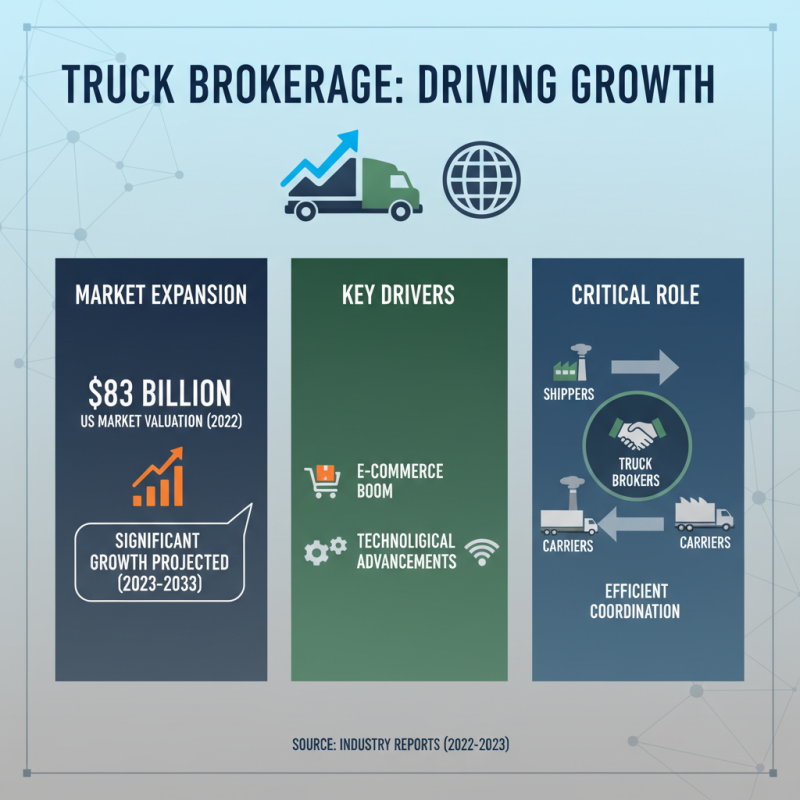
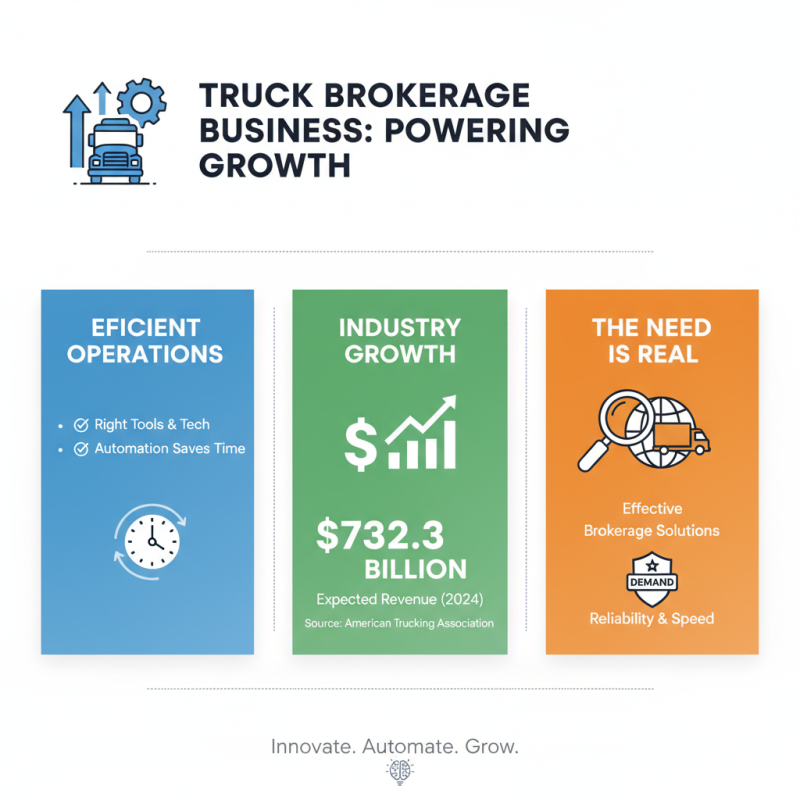
Starting a successful truck brokerage business requires careful planning and a deep understanding of the logistics industry. According to the American Trucking Associations, the trucking industry is a $732.3 billion sector in the U.S. This highlights the immense opportunities within the field. Finding a niche in truck brokerage, however, can be challenging yet rewarding.
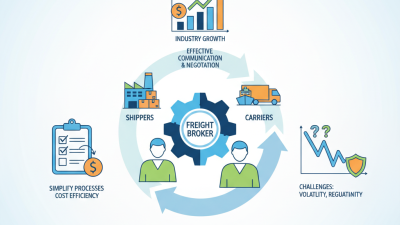
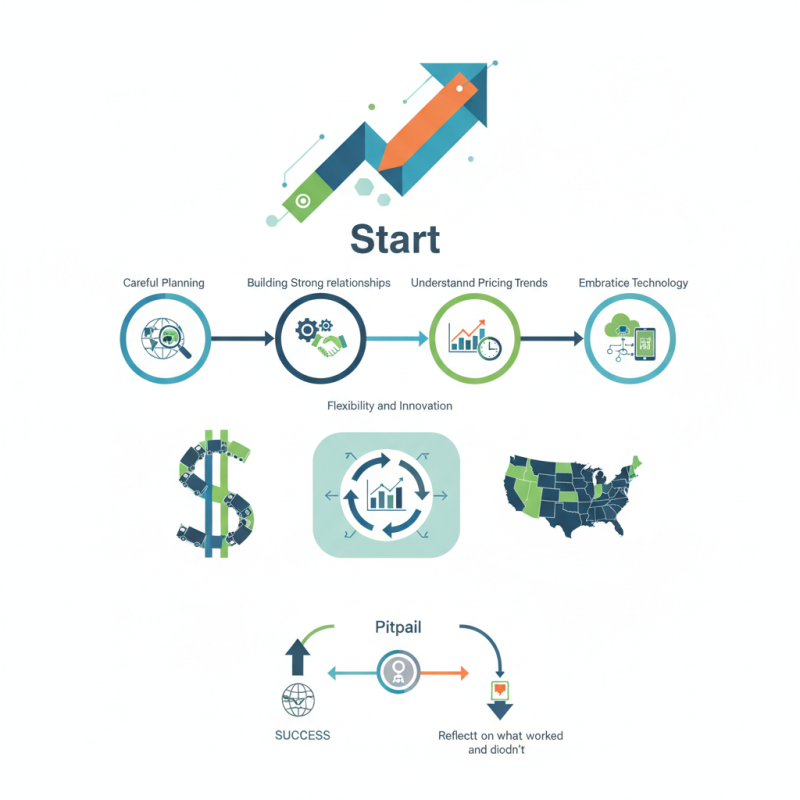
Joe O'Brien, a renowned expert in logistics, states, "Success in truck brokerage hinges on building strong relationships and understanding your market." New brokers need to focus on networking with shippers and carriers. They should invest time in understanding pricing trends and customer needs. Market dynamics constantly shift. Therefore, flexibility and innovation are key components of sustaining success in this sector.
Additionally, many start-ups fail due to inadequate research and planning. Aspiring brokers often overlook the importance of technology in streamlining operations. Embracing logistics management software can enhance efficiency. Acknowledging potential pitfalls is crucial. Reflecting on what worked and what didn’t is vital for future growth in the truck brokerage landscape.
Understanding the Truck Brokerage Industry: Market Overview and Trends
The truck brokerage industry is experiencing rapid growth, driven by changing consumer demands and advancements in technology. According to recent reports, the U.S. freight brokerage market was valued at approximately $83 billion in 2022. This number is expected to expand significantly over the next decade. With e-commerce increasing, truck brokers play a crucial role in coordinating shipments between shippers and carriers efficiently.
Market trends indicate a rise in digital platforms that optimize truck brokerage services. Many brokers are now leveraging software and mobile apps to streamline operations. However, challenges do exist. Industry fluctuations can affect pricing and availability of freight. A key issue is maintaining relationships with reliable carriers to ensure consistent service.
**Tip:** Stay informed about market trends. Regularly review industry reports and analysis.
The push for sustainability is reshaping the industry. Brokers are finding ways to reduce carbon footprints in logistics. However, integrating green practices can be costly and complex. Some brokers may struggle to balance eco-friendly initiatives with profitability.
**Tip:** Build a network with environmentally conscious carriers. It can enhance your service offerings while appealing to clients prioritizing sustainability.
Essential Licenses and Regulations for Starting a Truck Brokerage Business
Starting a truck brokerage business involves navigating various licenses and regulations. These requirements vary significantly by state. For example, in the U.S., brokers must obtain a freight broker license from the Federal Motor Carrier Safety Administration (FMCSA). This license is pivotal. Without it, operating a brokerage is illegal. Essential steps also include securing a surety bond. Reports indicate that a $75,000 bond is required for most brokers. This amount can seem daunting, but it ensures financial responsibility.
In addition to the FMCSA license, brokers must be aware of state-specific regulations. Some states require additional permits or registrations. These could impact operational efficiency. It's crucial to research local laws thoroughly. Many brokers overlook this, risking fines or business closure. Industry data shows that almost 25% of new brokerages fail to comply with regulations. This points to the importance of proper knowledge and preparation.
Additionally, brokers must maintain proper records. Compliance with the regulations means keeping detailed shipment records. Neglecting this could lead to legal issues. Market reports show that effective documentation can streamline operations. It ensures transparency between shippers and carriers. Building trust in the industry is key for growth. However, many brokerages struggle with consistent record-keeping, which can hinder success. Being aware of these challenges is vital for aspiring brokers.
How to Start a Successful Truck Brokerage Business? - Essential Licenses and Regulations for Starting a Truck Brokerage Business
| License/Regulation |
Description |
Cost |
Time to Obtain |
| Broker Authority (MC Number) |
Requires filing with the FMCSA for operating authority |
$300 |
3-4 weeks |
| Surety Bond |
A bond required for brokers to protect shippers |
Varies, typically 1-2% of the bond amount |
1 week |
| Business License |
Required to operate legally within the state |
$50 - $400 |
Varies by state |
| DOT Number |
Required for safety monitoring and regulation compliance |
Free |
Immediate |
| Insurance |
Liability insurance to protect against claims |
$1,000 - $5,000 annually |
Varies |
Key Steps for Building a Reliable Carrier Network in Truck Brokerage
Building a reliable carrier network is crucial in the trucking brokerage industry. According to industry reports, around 80% of freight transportation in the U.S. is handled by truckers. This statistic highlights the importance of finding trustworthy carriers. A strong network can reduce costs and improve customer satisfaction.
Start by conducting thorough background checks on potential carriers. Look for reliable service history, safety records, and insurance coverage. A report from the American Trucking Associations indicates that over 3.5 million truck drivers were employed in 2022. This abundance of talent means you need to choose wisely. Not all carriers will meet your standards.
Also, consider maintaining open communication. Foster relationships through regular check-ins. A survey showed that 60% of shippers value communication during the shipping process. It’s essential to have a platform for feedback. Noticing issues early can prevent bigger problems down the road.
Reflect on your strategies often. If a carrier consistently underperforms, reassess their place in your network. The trucking industry is dynamic, and adaptability is key.
Strategies for Effective Freight Matching and Load Management
Effective freight matching and load management are crucial for a successful truck brokerage business. According to recent industry reports, the trucking sector is expected to reach a market size of $760 billion by 2026. This growth underscores the need for efficient operations. One way to achieve this is by utilizing data analytics. By analyzing shipment data, brokers can match loads with the right carriers more accurately.
Investing in technology can streamline this process. Many brokerages adopt automated systems for load management. These tools can help reduce manual errors. However, integrating technology can be challenging. It requires training and adaptation from staff. A broker's success relies heavily on their ability to balance technology with personal relationships in the industry. Communication is key, even in a digital age.
Moreover, understanding market trends is essential. Brokerage firms that actively monitor freight demand can make informed decisions. For example, with the rise of e-commerce, there is a fluctuating demand for specific routes. Brokers must reflect on their strategies regularly. Adapting quickly to market changes can make a significant difference in load management efficiency. It’s a constant learning process.
Freight Matching Efficiency in Truck Brokerage
Tools and Technologies to Enhance Efficiency in Truck Brokerage Operations
Starting a truck brokerage business requires efficient operations. Utilizing the right tools and technologies can be game-changing. Automation saves time. According to a report by the American Trucking Association, the industry’s revenue is expected to reach $732.3 billion in 2024. This growth shows a need for effective brokerage solutions.
Technologies like load boards and transportation management systems can enhance speed and accuracy. These tools help brokers find available loads quickly. They streamline communication with carriers. GPS tracking improves delivery visibility, which customers value. The demand for transparency is increasing, with 63% of shippers preferring updates on shipment status.
Tip: Invest in an easy-to-use CRM system. It helps manage relationships and keep track of client needs. Balancing technology use with personal connections can be tricky. Relying too much on software may neglect relationship-building, which is essential for long-term success.
A focus on data analytics can also be beneficial. Analyzing market trends can help in strategic decision-making. However, brokers must be careful not to ignore smaller customers. They can be just as valuable as large contracts. Embracing technology requires constant reflection to ensure that essential relationships remain strong.