What is a Shipping Brokerage Company and How Does It Work
Shipping brokerage companies play a crucial role in the global trade and logistics landscape, facilitating the movement of goods across vast oceanic distances. These companies act as intermediaries between shippers—those who need to transport goods—and carriers, typically shipping lines that own the vessels. By understanding the complexities of shipping logistics, brokerage firms streamline the process, ensuring that shipments are efficiently booked, tracked, and delivered.
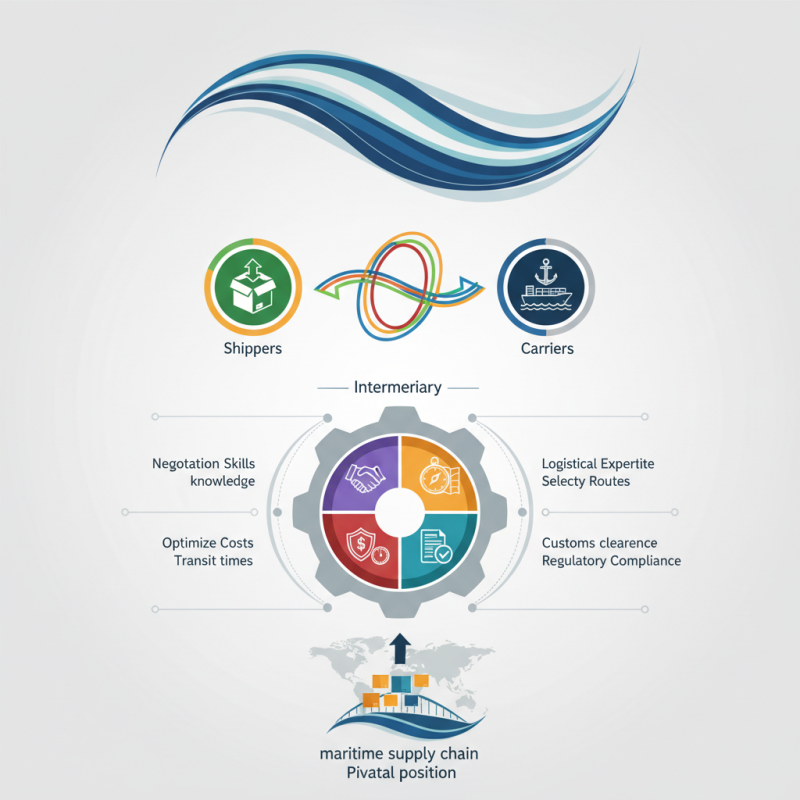
The operations of shipping brokerage companies involve a blend of negotiation skills, industry knowledge, and logistical expertise. They assist shippers in selecting the most appropriate shipping routes and methods, ultimately aiming to optimize costs and transit times. Furthermore, these brokers provide essential services such as cargo insurance, customs clearance, and advice on regulatory compliance, which can drastically simplify the process for businesses unfamiliar with international shipping nuances. This introduction will delve deeper into the functions and benefits of shipping brokerage companies, shedding light on their pivotal position in the maritime supply chain.
What is a Shipping Brokerage Company?
A shipping brokerage company serves as an intermediary between shippers and carriers, facilitating the movement of goods across various transportation modes.
These companies possess expert knowledge of the shipping industry, helping ensure that both parties achieve their logistical objectives efficiently. By understanding the nuances of international shipping, brokerage firms can navigate complex regulations, negotiate freight rates, and arrange for suitable transportation options for their clients. This expertise not only saves time but also minimizes costs and potential risks associated with shipping.
When engaging with a shipping brokerage company, shippers should consider a few important tips. Firstly, it is crucial to verify the brokerage’s credentials and experience in the industry, as this can significantly impact the quality of service provided. Secondly, effective communication is key; establishing clear expectations and maintaining open lines of dialogue can lead to smoother transactions.
Lastly, it’s advisable to inquire about the range of services offered, including tracking and customs assistance, to ensure that all shipping needs are comprehensively met.
In summary, a shipping brokerage company plays a vital role in streamlining the shipping process. By acting as a bridge between shippers and carriers, they facilitate logistics solutions that cater to the unique requirements of their clients, driving efficiency throughout the supply chain.
The Role of Shipping Brokers in the Maritime Industry
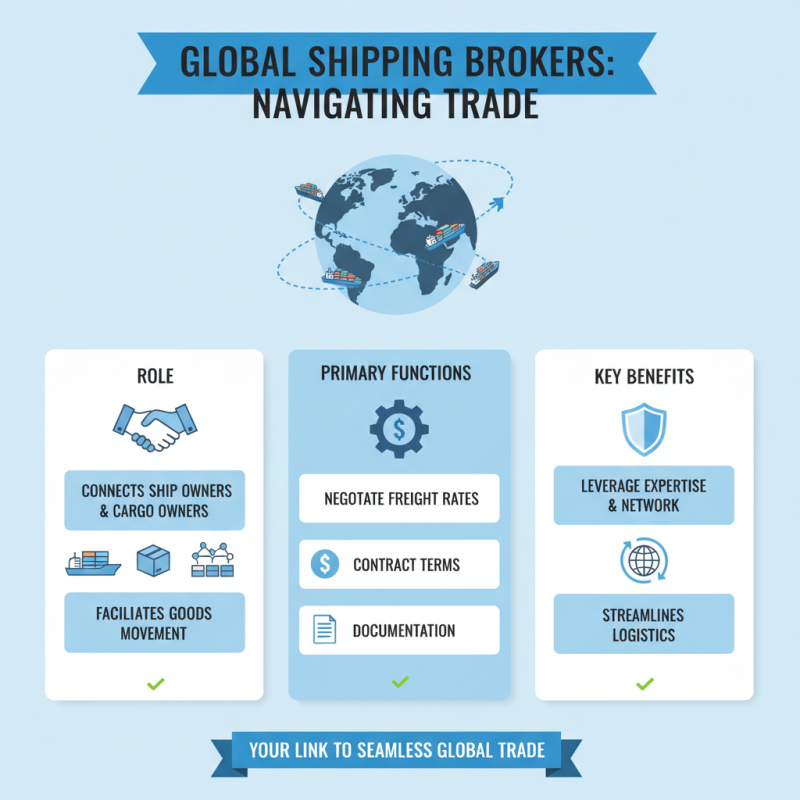
Shipping brokers play a crucial role in the maritime industry by acting as intermediaries between ship owners and cargo owners. Their primary function is to facilitate the movement of goods across international waters by finding the best shipping options for their clients. This involves negotiating freight rates, contract terms, and ensuring that all necessary documentation is accurately prepared. By leveraging their extensive network and industry expertise, shipping brokers streamline the logistics process, allowing businesses to navigate the complexities of global trade more effectively.
In addition to negotiating deals, shipping brokers are also responsible for providing valuable market insights and information. They analyze shipping trends, transport costs, and capacity availability to help clients make informed decisions about their shipping needs. Brokers also play a supportive role during disputes by intervening and helping to resolve any issues that may arise between parties. Their expertise not only saves time and resources for both ship owners and cargo shippers but also enhances the overall efficiency of maritime operations. Through their multifaceted roles, shipping brokers contribute significantly to the smooth functioning of international trade, ensuring that goods move seamlessly from one destination to another.
Understanding the Services Offered by Shipping Brokerage Firms
Shipping brokerage companies play a crucial role in facilitating international trade by acting as intermediaries between shippers and carriers. Their primary services include
negotiating freight rates,
managing shipping logistics, and providing essential market insights. According to a report by the International Maritime Organization, shipping brokers facilitate around
80% of the global maritime trade volume, highlighting their importance in ensuring smooth
and efficient shipping operations.
One of the key services offered by shipping brokerage firms is the management of documentation and compliance. They assist clients in navigating complex shipping regulations
and ensuring that all necessary paperwork, such as bills of lading and customs declarations, is correctly handled. This not only saves time but also reduces the risk of
costly delays. A study by the World Bank indicates that effective logistics and supply chain management can improve
trade efficiency by up to 20%, underscoring the value of shipping brokers in optimizing shipping processes.
Tips: When choosing a shipping brokerage firm, consider their experience in your specific industry to ensure they understand your unique shipping needs.
Additionally, always request transparency regarding fees to avoid unexpected costs later in the shipping process. Enhanced communication and reliable support from your broker
can greatly improve your shipping experience and efficiency.
How Shipping Brokerage Companies Facilitate International Trade
Shipping brokerage companies play a crucial role in facilitating international trade by acting as intermediaries between shipowners and cargo owners. According to a report by the International Maritime Organization (IMO), approximately 90% of the world's trade is carried by sea. This vast volume underscores the importance of efficient brokerage services in matching shipments with available vessels, ensuring that goods are transported smoothly across borders. Shipping brokers leverage their expertise and extensive networks to streamline the shipping process, helping businesses navigate through various logistical challenges.
Brokerages not only minimize the complexities of international shipping by providing guidance on documentation, customs regulations, and tariff classifications, but they also offer insights into market trends and freight rates. For instance, the Baltic Exchange’s publications report significant fluctuations in freight rates, illustrating that brokers are essential in advising clients on optimal shipping decisions based on current market conditions. By utilizing advanced tracking systems and real-time data analysis, shipping brokers can enhance the efficiency of supply chains, ultimately contributing to a more robust global trade environment. Their services lead to increased transparency and reliability, essential factors for businesses engaging in the intricate world of international commerce.
The Process of Working with a Shipping Broker: A Step-by-Step Guide
When engaging with a shipping brokerage company, understanding the
step-by-step process can streamline the experience and ensure effective communication.
Initially, the shipper contacts the broker, providing details about the shipment, including
type, weight,
destination, and timeline.
According to the International Maritime Organization (IMO), over 80% of global trade by volume moves by sea,
underscoring the critical role that brokers play in facilitating these shipments.
Once the broker assesses the information, they conduct market research to identify the best carriers,
leveraging relationships built within the industry.
The next step involves negotiating
freight rates and terms, where brokers use industry data to ensure competitive pricing.
A 2022 report from the Worldwide Shipping Financial Index suggests that brokered shipments
can save shippers up to 15% compared to direct shipping rates. Upon agreement,
the broker coordinates the documentation, including
Bills of Lading and customs paperwork, minimizing the risk of delays. In handling logistics,
the broker provides updates throughout the shipping process, ensuring that all parties are informed
and any potential issues are promptly addressed. This comprehensive approach not only simplifies the shipping process
but also enhances efficiency in an industry that is increasingly reliant on
timely logistics.