What is a Moving Broker and How Can They Help You Move?
In the complex world of moving, many people turn to a moving broker for assistance. Moving brokers serve as intermediaries between consumers and moving companies. They help streamline the relocation process, particularly in an industry where confusion and stress can easily arise. According to the American Moving and Storage Association, nearly 45 million Americans relocate each year. This increases the demand for reliable moving services.
Moving brokers have gained popularity for their ability to provide estimates and coordinate logistics. They know the industry well and have access to various carriers. Research reveals that about 70% of individuals who use a moving broker report a smoother moving experience. However, challenges remain. Some customers have faced issues with service quality and hidden fees.
It’s essential to choose a reputable moving broker. Misleading practices can lead to frustration and added costs. Experience shows that doing due diligence pays off. Reading reviews and checking credentials helps ensure a satisfying move. Understanding the role of a moving broker can ease the transition to a new home.

What is a Moving Broker and Their Role in Relocation?
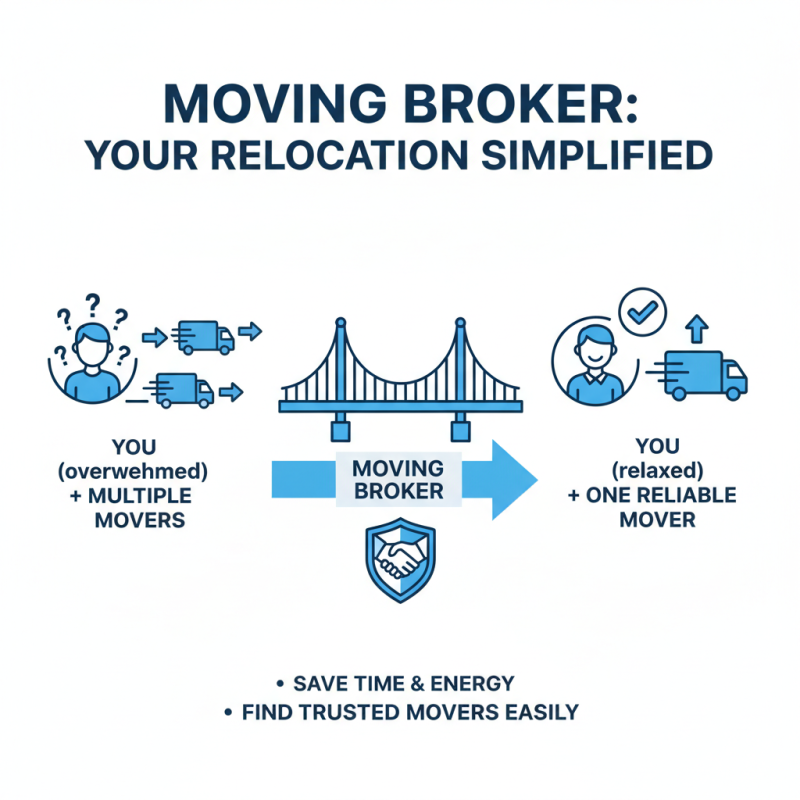
A moving broker acts as a middleman between you and moving companies. They simplify the process of finding a reliable mover. Instead of contacting multiple companies, you can work with one broker. This can save you time and energy during your relocation.
The role of a moving broker is to gather quotes from various moving services. They assess your needs and match you with suitable options. However, not all brokers offer the same level of service. Some may focus solely on price, while others emphasize quality. You should research potential brokers carefully. Ask for reviews and check their reputation in the industry.
While brokers provide valuable assistance, there are potential downsides. Sometimes brokers charge additional fees, which can add to your overall cost. Communication may also be less direct. You may feel disconnected from the movers you ultimately choose. It’s important to weigh these factors against the convenience a broker offers.
Key Services Offered by Moving Brokers in the Moving Process
Moving brokers act as intermediaries between customers and moving companies. They simplify the process of finding reliable movers. This is especially helpful during busy seasons when many people relocate. By assessing customers' needs, they recommend suitable moving services. This saves time and reduces stress.
One key service offered by moving brokers is price comparison. They gather quotes from various moving companies. This allows customers to make informed decisions. Additionally, brokers often provide valuable packing and storage tips. They guide individuals on how to pack efficiently, ensuring belongings remain safe. Many people can feel overwhelmed by logistics. A broker helps alleviate this burden.
However, not every experience with a moving broker is perfect. Some customers may find communication challenging. Miscommunication can lead to confusion about services. It's vital to clarify expectations upfront. Transparency is essential in the moving process. Customers should express their needs clearly to avoid issues later. Understanding the brokerage role can enhance the moving experience.
How to Choose the Right Moving Broker for Your Needs
Choosing the right moving broker can greatly simplify your relocation. Start by assessing your specific needs. How far are you moving? Do you require storage services? Identifying these details helps narrow your options.
Look for brokers with solid reputations. Consider those with positive customer reviews. Check their experience level, too. A broker with years of industry experience is often more reliable. However, remember that every broker has imperfections. Some may have unexpected fees or miscommunication issues. These factors can lead to frustration during your move.
Ask for quotes from several brokers. Compare their offerings and pricing. Transparency is critical. A broker who clearly outlines services can help you avoid hidden costs. Don’t hesitate to ask questions. Ensure you know what you’re paying for. Moving is stressful, but the right broker can ease the burden.
What is a Moving Broker and How Can They Help You Move? - How to Choose the Right Moving Broker for Your Needs
| Feature |
Description |
Benefits |
Considerations |
| Cost Estimation |
Provides a detailed cost estimate based on your moving needs. |
Helps in budgeting and prevents unexpected expenses. |
Estimates can vary, ensure you get a written confirmation. |
| Service Options |
Offers a variety of services like packing, storage, and vehicle transport. |
Customizes the moving experience to fit individual needs. |
Not all brokers offer the same services; verify before hiring. |
| Customer Support |
Provides assistance and advice throughout the moving process. |
Ensures a smoother experience with professional guidance. |
Check reviews to see if they have a responsive support team. |
| Regulatory Compliance |
Ensures all moving services comply with local and federal regulations. |
Provides peace of mind that your move is lawful and safe. |
Verify the broker's licensing and insurance coverage. |
| Reputation |
Based on customer reviews, referrals, and ratings. |
A good reputation can indicate quality service and reliability. |
Research multiple sources for a well-rounded view of their reputation. |
Understanding the Cost Structure of Using a Moving Broker
When considering a move, many people wonder about the costs associated with hiring a moving broker. A moving broker acts as an intermediary. They connect clients with moving services without providing a truck themselves. Understanding the cost structure can help you make informed decisions.
Typically, moving brokers charge a fee based on the services they provide. This can include consultation, price comparison, and contract negotiations. Some brokers may charge a flat fee, while others may take a percentage of the total moving cost. It's crucial to clarify these charges upfront. Otherwise, hidden fees may arise later. Many people overlook additional costs, such as fuel surcharges or handling fees, which can quickly add up.
Moreover, brokers may not be transparent about their relationships with moving companies. Some may prioritize their profit over customer satisfaction. This could lead to subpar moving services or unexpected delays. Therefore, it's wise to ask detailed questions and read reviews. Always ensure you choose a broker who values transparency and quality. Doing so can save you from potential headaches during your move.
Understanding the Cost Structure of Using a Moving Broker
Common Misconceptions About Moving Brokers and Their Services
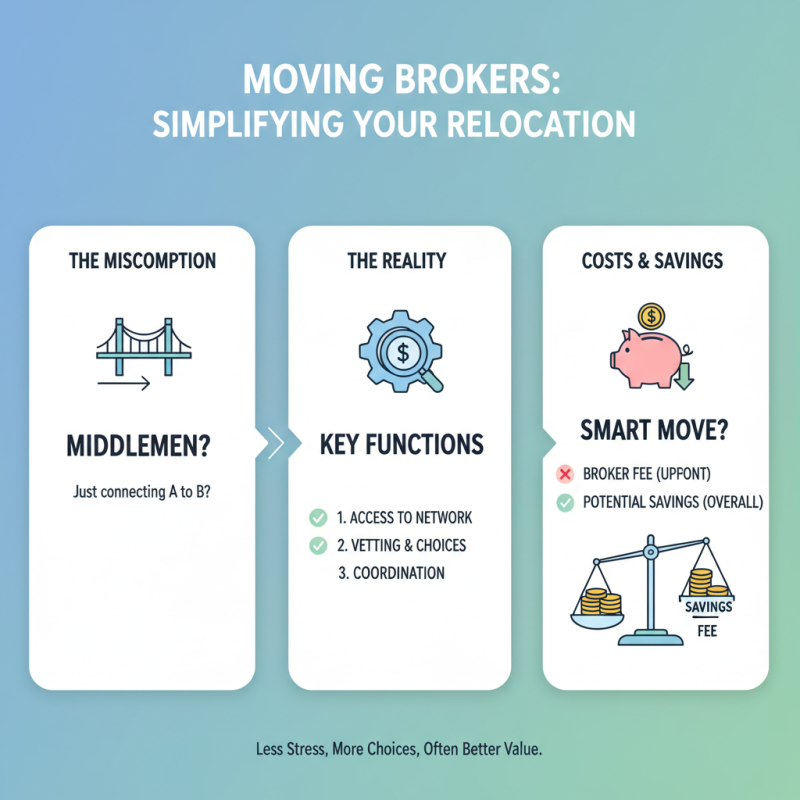
Moving brokers can be misunderstood. Many think they are just a middleman. In reality, they serve specific functions that simplify the moving process. They connect you with moving companies, making choices easier. However, some people worry about extra costs. Brokers do charge a fee, but the savings from finding the best service often outweigh this.
Another common misconception is that brokers handle everything. While they assist in finding movers, they do not pack your belongings. You still need to organize your items. Also, some may fear the lack of control. When using a broker, you still choose the moving date and service. This can feel empowering. Misunderstandings can lead to frustration. It’s essential to communicate clearly with your broker about your needs and expectations.