
What Is a Freight Brokerage and How Does It Work?

Freight moves through a vast, interconnected system, but shippers rarely manage every truck, route, and pickup themselves. The American Trucking Associations’ American Trucking Trends 2023 report estimates that trucks moved 11.46 billion tons of freight in the United States in 2022. That scale matters. It helps explain why freight brokerages play a practical role in connecting businesses that need shipments moved with motor carriers that have available equipment and capacity.

A freight broker typically gathers shipment details, finds a suitable carrier, negotiates a rate, and coordinates communication between both parties. The carrier transports the goods; the broker arranges the transaction and supports its progress. A load might involve a palletized shipment leaving a warehouse at dawn, a carrier’s truck arriving for pickup, and status updates flowing to the shipper during transit. The basic process sounds straightforward. Real operations can be less tidy: schedules change, capacity tightens, and clear communication becomes essential.

Costs add another layer. The American Transportation Research Institute’s 2023 Operational Costs of Trucking report put the average marginal operating cost at $2.251 per mile in 2022. That figure is not a universal freight quote, but it shows why distance, fuel, equipment, and timing affect pricing. Understanding how freight brokerages work can help shippers assess service, compare proposals, and ask better questions. It can also help carriers understand how brokers find loads and coordinate business. The arrangement is useful, but not automatic; good outcomes still depend on accurate shipment details and dependable follow-through.
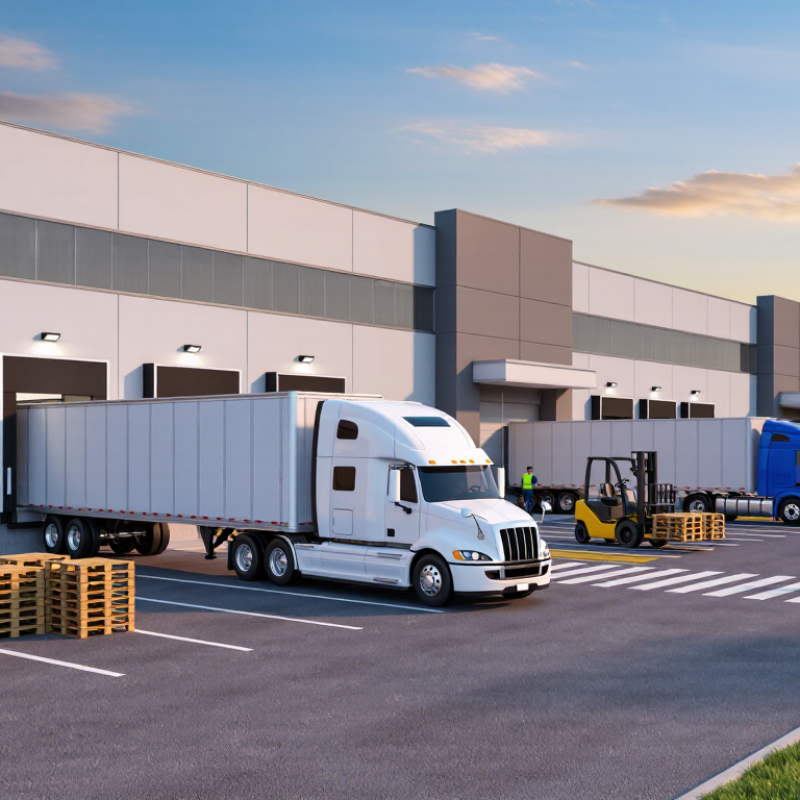
What Is a Freight Brokerage and How Does It Work?

What a Freight Brokerage Is and Its Role in Shipping

A freight brokerage is an intermediary that connects a shipper with a motor carrier. It usually does not own the truck. Instead, the broker learns the shipment’s requirements, finds suitable capacity, agrees on terms, and coordinates pickup and delivery. A palletized load leaving a warehouse at 4 p.m. may need a different truck and schedule than temperature-sensitive goods. Details matter.

The American Trucking Associations’ 2023 American Trucking Trends report estimates that trucks moved 11.46 billion tons of U.S. freight in 2022, or 72.6% of domestic tonnage. That scale helps explain a broker’s role: finding available carriers across many routes can connect businesses with capacity they may not have in-house. Brokers also share shipment updates, handle transportation documents, and help address delays or missed appointments. Still, a booking confirmation is not the same as a delivered load.

Good brokerage work depends on careful carrier checks, clear communication, and realistic scheduling. A broker should confirm equipment, pickup windows, delivery instructions, and who will report problems. One weakness in the model is that shippers may assume a broker controls every part of the journey; weather, congestion, and facility delays can still disrupt plans. Small details count. A wrong dock number can waste hours. The process can be efficient, but it is not flawless.

Key Participants in a Freight Brokerage

A freight brokerage connects a shipper needing a load moved with a carrier that has truck space and capacity. The shipper provides details such as pickup time, delivery location, cargo dimensions, and handling needs. The broker checks available capacity, negotiates a rate, and coordinates the handoff. The carrier supplies the truck and driver; the driver handles the physical journey. At delivery, the consignee receives the freight and confirms its condition. Simple on paper.

Each participant carries different information and risk. The shipper knows the cargo and deadlines, while the carrier knows its equipment, route, and operating costs. The broker matches those constraints and keeps updates moving when plans change. The American Trucking Associations estimated that trucks moved 11.27 billion tons of freight in the United States in 2023, showing the scale of the carrier network brokers help access. The American Transportation Research Institute reported an average trucking cost of $2.26 per mile in 2023. That figure helps explain why carriers scrutinize rates, fuel use, and empty miles. A quoted rate can still miss real conditions. Weather, waiting time, or a late loading appointment may change the economics, and a broker’s coordination cannot erase every delay.

How Freight Brokers Match Shippers With Carriers

What Is a Freight Brokerage and How Does It Work?
How Freight Brokers Match Shippers With Carriers

A freight brokerage connects a shipper with a motor carrier that has suitable capacity. The broker gathers shipment details, such as weight, dimensions, pickup time, delivery window, and equipment needs. Then the broker searches its carrier network and compares availability, route fit, service history, and rates. It also verifies key details, including operating authority and insurance, before confirming a load. Small mismatches matter. A trailer that is unavailable or a pickup window that is too tight can disrupt the whole plan.

The scale is substantial: the American Trucking Associations’ American Trucking Trends 2023 report estimates that trucks moved 11.46 billion tons of freight in 2022, or 72.6% of domestic freight tonnage. Brokers help shippers reach carriers across this broad market, especially when their own networks cannot cover a lane. After booking, the broker shares shipment instructions, tracks progress, and communicates changes between both sides. The match is not always elegant; late updates or optimistic transit estimates can create avoidable pressure.

Tips: Share accurate dimensions and ready times. Ask how carrier checks, tracking, and exception updates work. Confirm accessorial charges before booking. A lower quote may not reflect the full service picture.

How freight brokers match shippers with carriers

A broker gathers shipment requirements, finds and confirms a suitable carrier, and coordinates the shipment through delivery. The chart shows the typical sequence of steps—not shipment volumes or durations, which vary by load.

How Freight Brokerage Services and Payments Work

A freight broker connects a shipper with a motor carrier, coordinating the move without usually owning the truck. The service may include comparing carrier availability, confirming pickup details, tracking a load, and sharing updates when schedules change. A broker typically prices a shipment using its lane, freight dimensions, weight, timing, and requested services. A liftgate or a narrow delivery window can affect the quote. Details matter.

Payment involves separate steps. The shipper generally agrees to a rate with the broker, while the broker agrees to pay the carrier under separate terms. After delivery, the carrier submits documents such as a signed proof of delivery and invoice. The broker checks them, then pays according to the agreed schedule; the shipper pays the broker under its own terms. Those dates may not match, so brokers need working capital and clear records. A missing signature can slow payment. It happens.

Extra charges may arise if loading takes longer than agreed or delivery details change. These should be documented and reviewed against the rate confirmation, not assumed. The process sounds simple on paper, but a small mismatch in addresses or appointment times can create real friction. A careful broker explains charges, confirms instructions, and keeps both sides informed. Payment terms still deserve a close read.

Regulations and Responsibilities in Freight Brokerage

Freight brokers connect shippers with motor carriers, but arranging a load also brings regulatory duties. In the United States, brokers generally need proper operating authority and financial security, such as a surety bond or trust fund. Requirements differ by location, so brokers should check the rules that apply to each shipment.

Paperwork matters. A broker should use clear written agreements, confirm the carrier’s authority and insurance, and keep accurate shipment and payment records. Before a truck leaves, both sides should understand the rate, pickup window, delivery location, and who handles delays or damaged freight. Small details count. A missing delivery receipt can make a payment dispute harder to resolve.

Brokers also have a duty to communicate honestly. They should not promise a delivery time they cannot reasonably support, and they should tell the shipper promptly when plans change. Carrier checks need care, too; an online listing alone may not show whether coverage is current. Rules and best practices can change, and requirements vary across jurisdictions. The paperwork can feel repetitive, but skipping a check may create a costly problem later. A broker who is unsure about a specific obligation should consult a qualified compliance professional.

What Is a Freight Brokerage and How Does It Work? — Regulations and Responsibilities in Freight Brokerage
Topic How It Works Regulation or Responsibility Practical Check
Role of a freight broker A broker arranges transportation of property by an authorized motor carrier for compensation. The broker generally connects the shipper with a carrier rather than transporting the freight itself. Federal law defines and regulates brokers separately from motor carriers. A business that also operates trucks may have separate obligations for its carrier activities. Make the broker’s role clear in quotes, confirmations, and contracts; do not imply that the broker is the transporting carrier unless it is acting in that capacity under applicable authority.
Broker operating authority A person generally must register with the Federal Motor Carrier Safety Administration (FMCSA) before conducting business as a property broker subject to federal jurisdiction. Broker registration is governed by 49 U.S.C. § 13904 and related federal regulations. A process-agent designation is also part of the FMCSA registration requirements. Confirm that the broker’s operating authority is active in FMCSA records before tendering freight or arranging transportation.
Financial security A registered property broker must maintain financial security in the amount of $75,000, generally through a surety bond or a trust fund. The requirement is set out in 49 U.S.C. § 13906 and 49 C.F.R. Part 387. The security is intended to support qualifying claims, subject to applicable rules and procedures. Check that the required filing remains active. Financial security is not the same as cargo insurance and does not guarantee payment of every claim.
Carrier selection A broker finds a carrier able to handle the shipment and coordinates the agreed pickup, delivery, and transportation terms. Federal rules require motor carriers to hold applicable authority. Checking authority, insurance information, identity, and safety-related records is an important risk-control practice; the specific legal duties depend on the circumstances. Verify that carrier details match official records and the party accepting the load. Recheck information when circumstances or risk indicators warrant it.
Shipment information and dispatch The broker communicates shipment details such as commodity, weight, equipment, handling requirements, pickup and delivery locations, and appointment times. The parties’ contracts and applicable transportation laws govern their duties. Accurate, timely communication helps reduce service failures and disputes. Document load changes and obtain agreement to material changes, including revised rates, accessorial charges, or delivery instructions.
Transaction records Brokerage records can include the parties to a transaction, the agreed compensation, and other information required by the applicable recordkeeping rule. Under 49 C.F.R. § 371.3, brokers must keep specified transaction records for three years. The regulation also provides for inspection by the parties to the transaction, subject to its terms. Retain organized shipment files, including rate confirmations, bills of lading, invoices, and communications, for the required period and in a retrievable format.
Rates and payment The broker typically negotiates a transportation price with the shipper and a separate carrier payment, with the commercial terms recorded in the parties’ agreements. Payment terms are generally established by contract; there is no single universal federal payment deadline that applies to every broker-to-carrier transaction. State invoice requirements, payment triggers, deductions, and dispute procedures in writing. Match invoices to shipment documents and agreed terms.
Cargo claims and service issues When freight is lost, damaged, or delayed, the broker may help coordinate communications, but the responsible party and available remedies depend on the facts, contracts, and applicable law. A broker is not automatically the carrier simply because it arranged the shipment. Carrier liability and broker responsibilities are distinct legal questions. Preserve the bill of lading, delivery documents, photos, notices, and correspondence; promptly notify the relevant parties and follow the applicable claim process.
Key federal references: 49 U.S.C. §§ 13904 and 13906; 49 C.F.R. Part 371, including § 371.3; and 49 C.F.R. Part 387. Requirements can vary by shipment, jurisdiction, and the parties’ roles.