How to Find the Best Freight Broker for Your Shipping Needs
In the rapidly evolving world of logistics, choosing the right freight broker can make all the difference in ensuring efficient and reliable shipping operations. As logistics expert and author John Smith once stated, "The best freight broker not only understands the market dynamics but also prioritizes the needs of their clients." This highlights the importance of selecting a broker who not only has a strong grasp of the industry but also a commitment to customer service.
Finding the best freight broker tailored to your shipping needs requires careful consideration of various factors, including pricing, reliability, and service offerings. With a plethora of options in the marketplace, it can be overwhelming for businesses to identify the right partner capable of meeting their specific logistics requirements. By understanding what constitutes a trustworthy freight broker, companies can streamline their shipping processes and ultimately enhance their overall supply chain efficiency.
This article aims to provide valuable insights into the key qualities and practices to look for in a freight broker, equipping readers with the knowledge necessary to make informed decisions. Whether you are a small business owner or part of a larger corporation, knowing how to find the best freight broker will empower you to navigate your shipping challenges with confidence.

Identifying Your Shipping Requirements for Selecting a Freight Broker
When selecting a freight broker, understanding your specific shipping requirements is crucial. Begin by assessing the nature of the goods you plan to transport. Consider factors such as size, weight, fragility, and any special handling needs. Identifying whether your shipments are time-sensitive will also influence your choice, as some brokers specialize in expedited shipping while others might focus on cost-effective solutions for less urgent deliveries. By clearly defining these aspects, you can streamline the process of finding a broker that aligns with your operational goals.
Next, evaluate the geographical scope of your shipping needs. Are you shipping locally, nationally, or internationally? Different freight brokers have varying levels of expertise and networks based on these regions. Additionally, consider the mode of transportation you prefer, whether it be truck, rail, air, or sea. Each mode presents distinct advantages and limitations, and a broker with experience in your chosen method will be better equipped to handle your shipments efficiently. Taking the time to analyze your shipping requirements ensures you partner with a freight broker that can meet your logistical challenges effectively.
Shipping Costs by Mode of Transport
Researching Potential Freight Brokers in Your Area and Industry
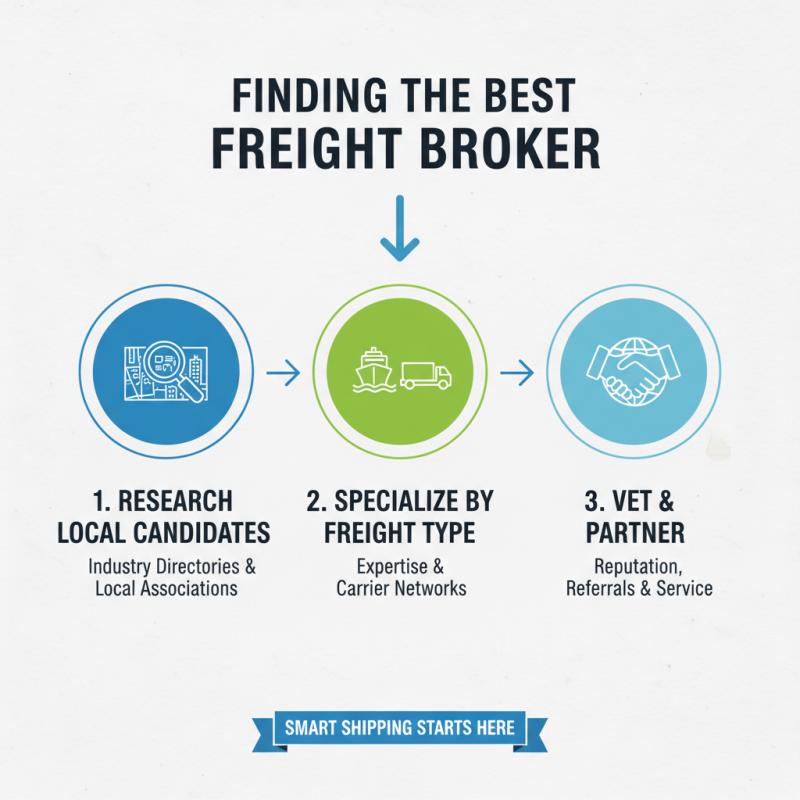
When searching for the best freight broker for your shipping needs, the first step is to conduct thorough research on potential candidates in your local area and specific industry. Start by utilizing online resources such as industry directories and local business associations to create a list of freight brokers that operate within your region. Look for brokers that specialize in your particular type of freight, as they will have the expertise and networks necessary to handle your shipping requirements effectively.
Once you have identified a selection of freight brokers, the next phase involves evaluating their reputation and performance. Seek out reviews and testimonials from past clients to gauge their reliability and the quality of their services. Additionally, consider reaching out to other businesses in your industry to inquire about their experiences with different freight brokers. Networking can provide valuable insights and help you identify brokers that are known for their professionalism and efficiency. By focusing on these aspects, you can make a well-informed decision when choosing the right freight broker for your shipping needs.
Evaluating Freight Broker Credentials and Reputation
When searching for the best freight broker to meet your shipping needs, evaluating their credentials and reputation becomes paramount. Start by examining their licensing and insurance. A reputable freight broker should possess a valid broker’s license from the Federal Motor Carrier Safety Administration (FMCSA) and appropriate liability and cargo insurance. This not only showcases their legitimacy but also ensures that you are protected against potential losses during transit. Verifying these credentials can often be done through online databases, providing peace of mind regarding your choice.
In addition to credentials, the reputation of a freight broker is equally crucial. Look for reviews and testimonials from previous clients to gauge their reliability and service quality. Industry experience can also play a significant role in a broker's ability to navigate challenges and provide effective solutions tailored to your specific shipping needs. Engaging with the brokerage's past and current customers, or seeking recommendations from trusted industry peers, can provide valuable insights into their operational transparency, customer service approach, and overall reliability in handling freight shipments. Prioritizing these factors will help ensure that you select a freight broker who aligns with your logistical demands and expectations.
Understanding Fee Structures and Contract Terms
When selecting a freight broker, understanding their fee structures and contract terms is crucial for selecting the right partner for your shipping needs. Freight brokers can charge various fees, including flat rates, percentage-based fees, or additional charges for specific services such as expedited shipping or handling large shipments. It's essential to request a transparent breakdown of these costs before committing to a broker. This clarity not only helps you determine if their pricing aligns with your budget but also aids in avoiding unexpected expenses down the line.
Contract terms are another vital aspect to consider. A well-structured contract should outline the responsibilities of both parties, service levels, and terms of payment. Pay close attention to cancellation policies, as they can vary significantly from one broker to another. Additionally, verify the terms related to liability and claims, ensuring you understand the procedures for handling lost or damaged goods. The goal is to establish a fair and favorable agreement that protects your interests while fostering a positive working relationship with your chosen freight broker.
Communicating Effectively with Your Chosen Freight Broker
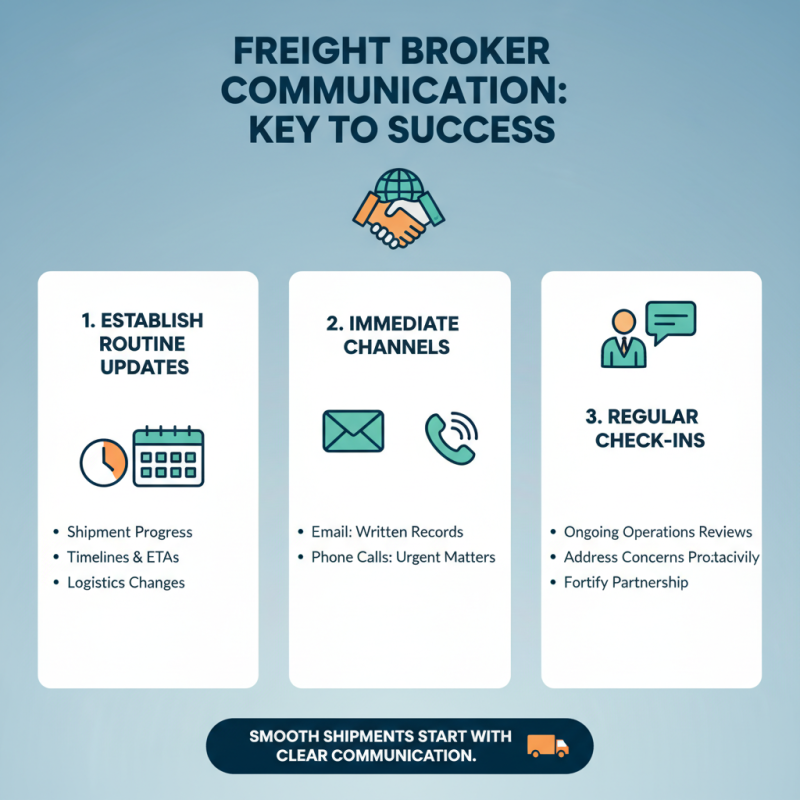
When you've selected a freight broker to manage your shipping needs, effective communication is key to a successful partnership. Clear and consistent communication can help ensure that your shipments are handled smoothly and that any potential issues are addressed promptly. To facilitate this, establish a routine for updates regarding shipment progress, timelines, and any changes in logistics. Utilize emails and phone calls for immediate communication, but also consider setting up regular check-ins to discuss ongoing operations and address any concerns.
Tips for effective communication with your freight broker include being specific about your shipping requirements. Instead of using vague terms, provide detailed information about the type of cargo, shipping schedules, and delivery expectations. This helps the broker understand your needs better and tailor their services accordingly. Additionally, encourage openness; let your broker know that they can approach you with any difficulties or questions, fostering a more collaborative relationship.
Another important aspect of communication is feedback. Regularly share your thoughts on the services provided, whether positive or negative. Constructive feedback can help the broker refine their approach, improving their ability to meet your needs. Remember, a successful partnership thrives on dialogue, so don't hesitate to voice your experiences and suggestions for improvement.