How to Choose the Right Cargo Ship Broker for Your Shipping Needs
Choosing the right cargo ship broker is a crucial decision that can significantly impact your shipping operations. In a competitive global market, the efficiency and reliability of your shipping process can determine the success of your business. A competent cargo ship broker not only facilitates the transportation of goods but also provides essential insights into market trends, freight rates, and logistical challenges. Understanding the nuances of this selection process is vital for ensuring that your shipping needs are met effectively.
When evaluating potential brokers, it is important to consider their experience, range of services, and industry reputation. A knowledgeable cargo ship broker should possess a thorough understanding of various shipping routes, vessel types, and cargo requirements, enabling them to offer tailored solutions that align with your specific logistics needs. Additionally, strong communication skills and a customer-first approach are key traits that can enhance the overall shipping experience, minimizing delays and maximizing efficiency.
Ultimately, the right cargo ship broker can serve as a valuable partner in your supply chain, helping you navigate the complexities of maritime transport while contributing to the growth and success of your business. By carefully assessing your options and seeking a broker that aligns with your operational goals, you can ensure that your shipping needs are not only met but exceeded.

Understanding the Role of a Cargo Ship Broker in Shipping
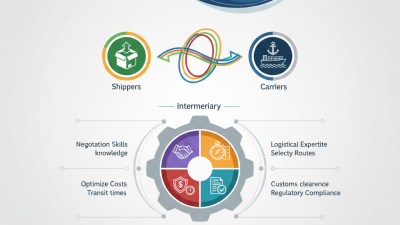
A cargo ship broker plays a pivotal role in the shipping industry, acting as a vital intermediary between shipowners and those looking to transport goods. Their primary responsibility is to facilitate negotiations and transactions, ensuring that both parties find mutually beneficial arrangements for shipping cargo. Brokers possess extensive knowledge of shipping markets, freight rates, and available vessels, which allows them to provide informed advice and recommendations tailored to their clients' needs. By leveraging their industry connections and expertise, brokers can secure optimal shipping solutions that align with budgetary constraints and logistical requirements.
In addition to negotiation skills, a cargo ship broker must stay updated on industry trends and regulatory changes that could impact shipping operations. They offer valuable insights into the ever-evolving landscape of global trade, helping clients navigate complex processes such as customs clearance and compliance with international shipping regulations. By understanding the intricacies of maritime law and various shipping routes, brokers empower their clients to make well-informed decisions, ultimately leading to more efficient and cost-effective shipping solutions. This depth of knowledge makes them indispensable partners in the logistics framework, ensuring that goods are transported safely and efficiently across borders.
How to Choose the Right Cargo Ship Broker for Your Shipping Needs
This chart illustrates the key evaluation criteria for selecting a cargo ship broker, including their experience, negotiation skills, customer satisfaction, global network strength, and service reliability. These factors are essential for ensuring effective and reliable shipping solutions.
Key Factors to Consider When Choosing a Cargo Ship Broker
Choosing the right cargo ship broker requires a careful evaluation of several key factors that can significantly impact your shipping operations. One crucial aspect to consider is the broker's industry experience and reputation. According to recent industry reports, brokers with over 10 years of experience tend to have better relationships with shipping lines and a deeper understanding of regulatory requirements. This can lead to more favorable rates and streamlined logistics, ensuring timely delivery of goods.
Another key factor is the broker's range of services. A comprehensive service offering can provide you with tailored solutions for your specific shipping needs. For instance, some brokers specialize in niche markets, such as hazardous materials or temperature-sensitive cargo. By understanding these specialties, you can assess whether the broker is equipped to handle your specific requirements effectively.
Tips: When evaluating potential brokers, ask for references and case studies that demonstrate their success in managing similar shipments. Additionally, consider their technology capabilities, such as tracking systems and communication tools, which can enhance transparency and efficiency throughout the shipping process. Always ensure the broker maintains compliance with international shipping regulations to avoid costly delays.
Evaluating a Cargo Ship Broker’s Experience and Expertise
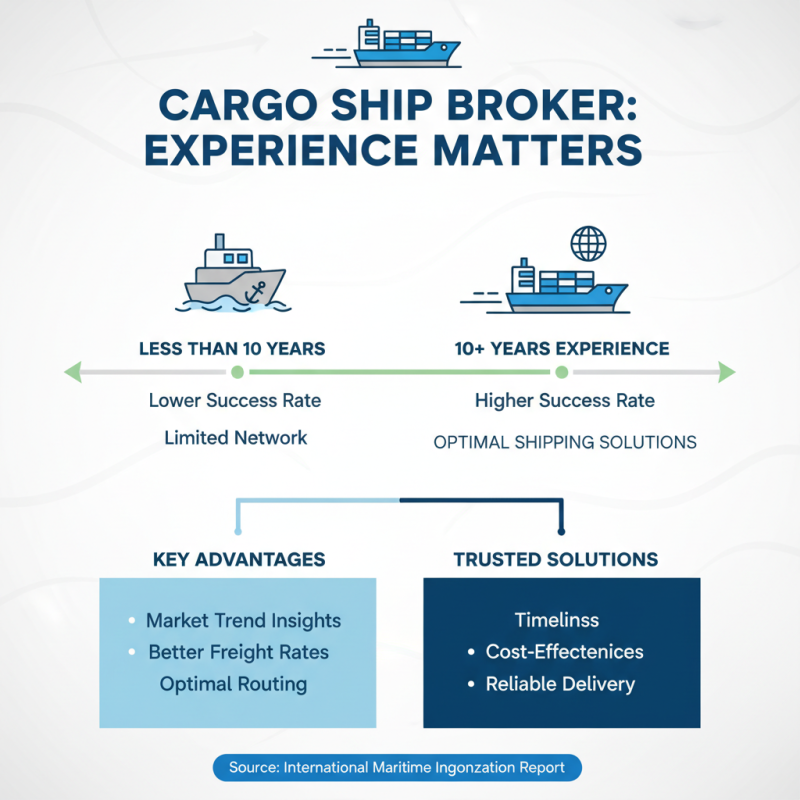
When selecting a cargo ship broker, evaluating their experience and expertise is crucial to ensuring reliable shipping solutions. Industry insights indicate that brokers with over ten years of experience have a higher success rate, often facilitating shipping operations that adhere to both timeliness and cost-effectiveness. According to a report by the International Maritime Organization, seasoned brokers tend to possess critical insights into market trends, thereby leveraging their connections for better freight rates and optimal routing options.
Experience is not the only metric of importance; expertise in specialized shipping sectors plays a significant role. For instance, brokers who have concentrated experience in handling specific types of cargo—such as perishable goods, heavy machinery, or hazardous materials—are more adept at navigating the unique challenges associated with those shipments. A study by the World Shipping Council reveals that brokers with specialized knowledge can reduce shipping delays by as much as 30%, enhancing overall supply chain efficiency. Ultimately, employing brokers who combine profound experience with sector-specific expertise can lead to more effective and safer shipping practices, greatly benefiting your logistics operations.
Assessing Customer Service and Communication Skills of Brokers
When choosing a cargo ship broker to handle your shipping needs, evaluating their customer service and communication skills is crucial. A competent broker should have the ability to communicate clearly and promptly, ensuring that all parties are informed throughout the shipping process. Good communication helps to prevent misunderstandings and facilitates smoother transactions, especially when resolving potential issues that may arise.
Tips: Look for brokers who provide regular updates and are reachable through multiple channels. This includes phone, email, and even messaging apps. A broker's responsiveness can be a strong indicator of their commitment to excellent service.
Furthermore, observe how brokers handle your inquiries. A broker who takes the time to listen to your needs and answer your questions thoroughly demonstrates their dedication to client satisfaction. This level of attentiveness can be pivotal when managing complex logistics or urgent requests.
Tips: During your initial conversations, assess how well they explain their processes and services. A reliable broker should not only offer clear information but also guide you through any jargon or technical details that may arise, ensuring you feel confident in your shipping decisions.
Comparing Broker Fees and Services for Optimal Value
When selecting a cargo ship broker, it's essential to compare broker fees and services to ensure you're getting the best value for your shipping needs. According to a report from the International Federation of Freight Forwarders Associations, the average broker fee can range between 5% to 15% of the total shipping cost, depending on the service level and complexity of the shipment. Understanding these fees is crucial for budgeting and securing the most favorable terms for your logistics operations.
In addition to costs, the range of services offered by brokers can vary significantly. A study by the Global Freight Forwarding Market indicates that a broker providing multiple services—including customs clearance, warehousing, and cargo insurance—can enhance operational efficiency and reduce downtime. For instance, opting for a broker who offers integrated solutions may lead to a cost-saving of approximately 20% compared to using separate providers for each service. Evaluating these aspects ensures that you not only choose a broker with competitive pricing but also one capable of meeting your specific shipping needs with comprehensive services.