
How to Choose the Right Shipping Customs Broker for Your Needs?
Choosing the right shipping customs broker can significantly impact your logistics operations. According to Jane Thompson, a leading expert in international trade, "The right customs broker is key to smooth shipping." Brokers are crucial for navigating complex regulations and ensuring compliance. They help prevent costly delays that can arise from paperwork errors.
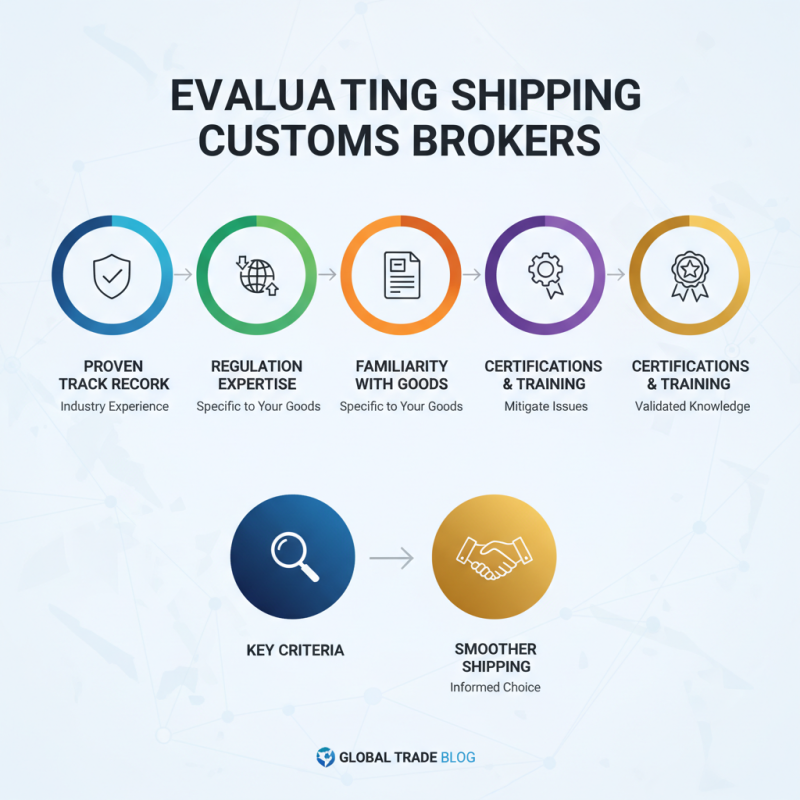
When selecting a shipping customs broker, consider their experience and specialization. Not all brokers are created equal. Some focus on specific industries, while others might handle various goods. It’s essential to find one that aligns with your business needs.
Expect to invest time in this process. Many businesses overlook the importance of building a relationship with their broker. Communication is vital. A good broker will offer insights and support, but you must also be proactive in sharing your requirements. Reflect on past customs challenges; they can guide your choice of a broker. Balancing your needs with the broker’s expertise is crucial for long-term success.

Understanding the Role of a Shipping Customs Broker in International Trade
Shipping customs brokers play a crucial role in international trade. They facilitate the movement of goods across borders, ensuring compliance with customs regulations. This involves handling paperwork, duties, and taxes for imported and exported goods. Their expertise helps businesses navigate complex legal requirements, which can vary by country. The right broker can save you time, reduce costs, and avoid potential penalties.
Choosing the right customs broker requires understanding their responsibilities. They act as intermediaries between you and government authorities. This relationship is vital for smooth customs clearance. A knowledgeable broker stays updated on changing laws and tariffs. They can provide advice on the best practices for shipping routes and strategies. However, not all brokers offer the same level of service. Some may lack the necessary experience or attention to detail.
Identifying key qualifications is essential. Look for brokers with a solid track record in your industry. Ask about their experience with specific products and regions. Customer reviews can offer insights into their reliability. Communication is also critical. A broker should be responsive and transparent. This creates a trustful partnership and aids in problem-solving. Ignoring these factors may lead to costly mistakes in your shipping process.
How to Choose the Right Shipping Customs Broker for Your Needs?
| Dimension | Description | Importance |
|---|---|---|
| Experience | Years of operation and familiarity with customs regulations. | High |
| Specialization | Focus on specific industries or types of cargo. | Medium |
| Certification | Licensed by relevant authorities (e.g., customs associations). | High |
| Technology Use | Utilization of software for tracking and compliance. | Medium |
| Customer Service | Responsiveness and availability of staff to assist clients. | High |
| Geographic Coverage | Ability to handle shipments in various locations worldwide. | High |
| Fee Structure | Transparency and competitiveness of pricing. | Medium |
Related Posts
-

How to Choose the Best Shipping Broker for Your Freight Needs
-

2026 Top US Freight Brokers You Need to Know About?
-

What is a Logistics Freight Broker and How Do They Operate?
-

Top 10 Transportation Freight Brokers in China You Need to Know?
-

Essential Tips for Choosing a Shipping Customs Broker
-
Top 7 Tips for Choosing the Best Truck Agent Broker for Your Business