How to Choose the Right Gooseneck Trailer for Your Needs?
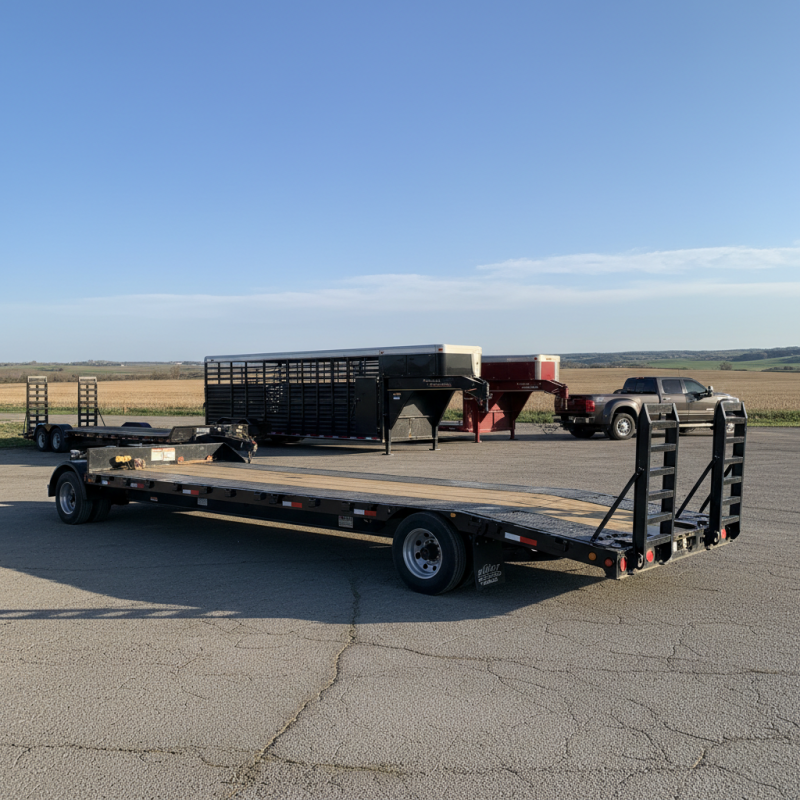
Choosing the right Gooseneck Trailer can be overwhelming. With various options available, knowing the essentials helps streamline your decision. A Gooseneck Trailer is designed for heavy loads, making it ideal for transporting large items. However, not every model suits your specific needs.
Consider what you will transport. Different trailers offer varying weight capacities and features. For example, livestock trailers differ from equipment haulers. Think about the tow vehicle as well. Ensure it can handle the trailer's weight.
Your budget is another critical factor. Prices can significantly vary based on size and materials. Remember, cheaper options may not be durable. It’s essential to balance quality with cost. Reflect on how often you'll use the trailer. Are you investing for occasional use or frequent hauling? This reflection will guide your choice. Ultimately, your perfect Gooseneck Trailer should fit your unique requirements.
Understanding Your Hauling Needs and Requirements
When selecting a gooseneck trailer, understanding your hauling needs is essential. Think about what you will be transporting. This could range from machinery to livestock. Each category has specific requirements. For example, if you plan to haul heavy construction equipment, ensure the trailer has a high weight capacity. It’s vital to consider the dimensions too. A wider trailer provides better stability for larger loads.
Your towing vehicle must also be compatible. Check the hitch specifications and ensure it can manage the trailer's weight. This mismatch could lead to dangerous situations. Additionally, assess how often you'll use the trailer. If it’s infrequent, a lower-end model might suffice. However, a frequent user should invest in durability and features.
Take a moment to reflect on your long-term needs. Will you diversify your hauling requirements in the future? You might need a versatile trailer to accommodate changes. Think about storage space, weight distribution, and loading options. Each decision influences performance and safety. Remember that the right choice today can prevent headaches tomorrow. Take your time in this process. It's important not to rush into a decision that impacts your operations significantly.
Evaluating Gooseneck Trailer Types and Designs
When evaluating gooseneck trailer types, consider the purpose. Some trailers are designed for heavy-duty cargo, while others excel in transporting livestock. Determine what you need. Look at weight capacities. Some gooseneck models can carry up to 30,000 pounds. It’s crucial to know if you can handle that load.
The design also matters. Single axle versus dual axle changes how the trailer behaves on the road. Dual axles provide better stability. But, they can be more challenging to maneuver in tight spaces. Think about your towing vehicle too. Not all trucks can handle every gooseneck trailer. Measure your vehicle's towing capacity before making any decisions.
Reflect on your future needs. Will you need a larger trailer later? Some buyers regret their first choice. They find the size isn’t suitable down the line. It’s worth investing time in research. Local regulations and weight limits can play a role. Take notes on what features matter most to you. The right choice can enhance your towing experience significantly.
Assessing Weight Capacity and Load Distribution
When selecting a gooseneck trailer, understanding weight capacity and load distribution is critical. First, assess the total weight of what you plan to haul. This includes the trailer itself and the loaded cargo. It's essential to ensure that the trailer's weight capacity meets or exceeds this total. Overloading can lead to safety hazards and damage to the trailer.
Load distribution also plays a crucial role. Properly distributing weight can enhance stability during transport. Place heavier items closer to the trailer's axle. This helps in balancing the load. Avoid placing all the weight at the front or the back. An unbalanced load can cause swaying and affect braking.
Tips: Always weigh your cargo before loading. Use portable scales if necessary. Practice loading different setups to understand what feels stable. Adjust until you find an optimal balance. It's a process that may require several attempts. Be willing to learn from each time you load your trailer.
Weight Capacity and Load Distribution of Gooseneck Trailers
Considering Trailer Features and Accessories
When selecting a gooseneck trailer, consider its features and accessories carefully. The design of the trailer can significantly impact its usability. Look for trailers with adjustable axles. This feature helps in balancing the load effectively. It's important to match the trailer's capacity with your intended use. Check the weight ratings and payload limits.
Pay attention to the accessories available. For instance, you might want a trailer with removable side rails. These can provide versatility for different loads. Some trailers come with storage compartments, which can be incredibly useful. They keep your tools organized and secure during transport.
A gooseneck trailer may also include integrated ramps. These make loading and unloading easier. However, consider the ramp's angle. If it's too steep, it could damage your equipment. Reflect on your needs and what will truly benefit your operations. Choosing the right accessories is more than just adding convenience; it’s about optimizing your work process.
How to Choose the Right Gooseneck Trailer for Your Needs? - Considering Trailer Features and Accessories
| Feature/Accessory | Description | Importance Level | Typical Price Range |
| Load Capacity | The maximum weight the trailer can safely carry. | High | $5,000 - $10,000 |
| Trailer Length | The total length of the trailer, influencing maneuverability. | Medium | $2,000 - $5,000 |
| Axles | Number of axles affecting stability and weight distribution. | High | $1,500 - $4,000 |
| Brakes | Type of braking system for safety and control. | High | $500 - $3,000 |
| Deck Material | Material of the trailer deck, important for durability. | Medium | $1,000 - $2,500 |
| Lighting System | Type of lights used for visibility and safety on the road. | Medium | $200 - $800 |
Budgeting for Your Gooseneck Trailer Purchase
Budgeting for a gooseneck trailer requires careful planning. Experts suggest that buyers should allocate at least 15-20% of their total budget for unexpected costs. This includes repairs and maintenance. The average price for a new gooseneck trailer ranges from $6,000 to $20,000, depending on size and features. Many buyers underestimate add-ons, such as upgrades for weight capacity or special hauling features.
Consider financing options as well. According to surveys, over 30% of trailer buyers opt for loans. This can significantly impact your budget. Interest rates can vary widely, often ranging from 4% to 10%. It’s crucial to calculate the total cost over the loan period. Otherwise, you might end up overspending.
Think about long-term value. A cheaper trailer may seem appealing, but it could lead to higher repair costs. Research shows that higher-quality trailers retain their value better. As you evaluate your finances, account for resale value down the line. Balancing initial cost with future needs can be tricky.