How to Choose the Best Shipping Broker for Your Freight Needs
In an era where global trade continues to expand at an unprecedented rate, selecting the right shipping broker has become increasingly essential for businesses aiming to optimize their freight logistics. According to a recent report by the International Federation of Freight Forwarders Associations (FIATA), the freight forwarding industry is projected to grow at a CAGR of 4.7% from 2021 to 2027, underscoring the vital role that shipping brokers play in facilitating smoother and more efficient supply chains.
Marianne Becker, a renowned expert in maritime logistics, emphasizes the importance of choosing a reliable shipping broker by stating, "A good shipping broker not only provides access to critical shipping routes but also offers invaluable advice that can save businesses significant time and costs." This highlights that beyond mere transactional relationships, a proficient shipping broker is a strategic partner in navigating the complexities of global shipping logistics. As businesses increasingly seek to enhance operational efficiencies, understanding how to select the best shipping broker becomes crucial in ensuring that freight needs are met effectively and competitively.
As the logistics landscape evolves, businesses must prioritize factors such as an extensive network, industry experience, and customer service when vetting potential shipping brokers. This introduction to the selection process sets the stage for understanding the key considerations that will help businesses align their freight operations with their overall goals.

Understanding the Role of a Shipping Broker in Freight Management
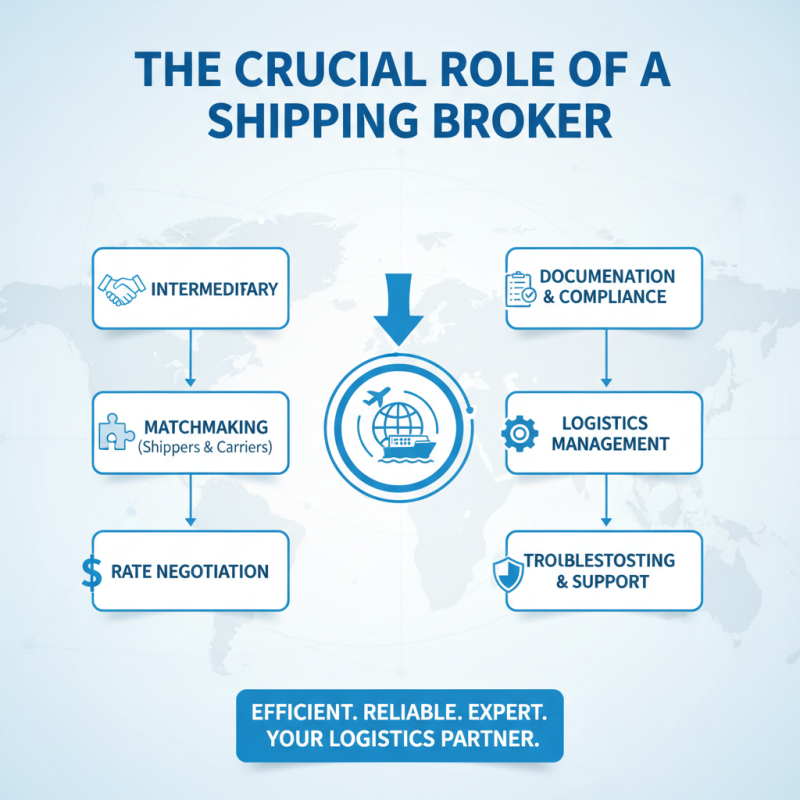
A shipping broker plays a crucial role in the logistics and freight management industry, serving as an intermediary between shippers and carriers. By understanding the dynamics of the shipping marketplace, brokers can efficiently match the needs of clients with the best available shipping options. This includes negotiating rates, managing documentation, and ensuring compliance with various regulations. A knowledgeable broker not only facilitates the shipping process but also helps clients navigate potential challenges that may arise during transit.
Beyond mere transactional duties, shipping brokers provide added value by leveraging their industry expertise and extensive network of contacts. They stay informed about market trends, fluctuations in shipping costs, and capacity availability. This insight enables them to offer strategic advice tailored to specific freight needs, which can result in significant cost savings and improved transit times for businesses. Therefore, selecting the right shipping broker can enhance logistic efficiencies and contribute to overall supply chain success.
Identifying Your Specific Freight Needs and Requirements
When selecting a shipping broker, the first crucial step is to clearly identify your specific freight needs and requirements. This process begins with understanding the type of cargo you are dealing with, which can include anything from perishable goods to oversized machinery. Each category of freight has unique handling and transportation needs. Additionally, evaluating the shipping volume and frequency is important; whether you're shipping regularly or sporadically can influence the choice of a broker who can efficiently manage those loads.
Another aspect to consider is the geographical scope of your freight. Are you shipping domestically or internationally? Understanding your routes and the potential challenges they may present, such as customs regulations for international shipments, will help you pinpoint a broker with expertise in those specific areas.
Moreover, assess your budget and determine how much flexibility you have for shipping costs. A broker who understands your financial constraints can propose tailored solutions that align with your business objectives, ensuring you receive the best value for your shipping needs.
Evaluating Brokers: Key Factors to Consider and Compare
When evaluating shipping brokers for your freight needs, several key factors can guide your decision-making process. First and foremost, consider the broker's experience and reputation within the industry. A well-established broker with a strong track record is likely to have better relationships with carriers and suppliers, which can lead to more favorable shipping rates and reliable service. Additionally, reading reviews and testimonials from past clients can provide valuable insights into a broker's reliability and customer service.
Another critical factor is the broker's area of specialization. Shipping brokers often focus on specific types of freight or industries, which can impact their efficiency and knowledge. If your business requires specialized handling—such as refrigerated goods or hazardous materials—ensuring the broker has relevant experience and expertise is essential. Furthermore, consider the technology and tools the broker employs for tracking shipments and managing logistics. A broker with advanced digital solutions can provide you with real-time updates and greater transparency throughout the shipping process, enhancing your overall experience.
Shipping Broker Evaluation Criteria
Researching Broker Credentials and Industry Reputation
When selecting a shipping broker for your freight needs, researching their credentials and industry reputation is crucial. Start by verifying their licenses and certifications, which can indicate their legitimacy and adherence to industry standards. Check whether they are registered with relevant governmental bodies, as well as any professional organizations that endorse ethical practices within the shipping sector. These credentials often reflect a broker's commitment to providing reliable services.
In addition to credentials, examining the broker's reputation in the industry can provide insights into their performance and reliability. Look for customer reviews and testimonials that highlight experiences with the broker, focusing on their communication skills, problem-solving abilities, and overall service quality. Engaging in industry forums or seeking recommendations from peers can also shed light on a broker’s standing in the shipping community. A broker with a solid reputation is more likely to deliver consistent and trustworthy service, ultimately ensuring your freight needs are met efficiently.
Establishing Clear Communication and Service Expectations with Brokers
Establishing clear communication and service expectations with your shipping broker is crucial for ensuring a seamless freight process. A well-defined communication strategy will help both parties understand each other's needs, which is essential for effective problem-solving. Start by outlining your expectations regarding response times, preferred communication methods, and the frequency of updates. This will not only foster trust but also create a collaborative environment where both you and your broker can operate efficiently.
Tip: Set up a regular check-in schedule, whether it's weekly or bi-weekly, to discuss ongoing shipments and any potential concerns. This keeps everyone on the same page and allows for adjustments to be made proactively.
Additionally, provide your broker with as much information as possible about your freight requirements. Discuss factors like shipment sizes, frequencies, and any specific routes or carriers you prefer. Making your needs clear from the outset can help brokers present you with tailored options that fit your budget and timeline.
Tip: Create a detailed shipping profile that outlines your preferences and requirements. Share this document with potential brokers to facilitate meaningful conversations during the selection process. Keeping communication open and honest will ultimately lead to a more successful partnership.