Why Choose a Freight Shipping Broker for Your Logistics Needs?
In today's fast-paced logistics landscape, the role of a freight shipping broker cannot be overstated. These professionals act as vital intermediaries, connecting shippers with carriers. According to the American Trucking Associations, 70% of freight in the U.S. is transported by truck, highlighting the broker's role in ensuring efficiency.
"Choosing a freight shipping broker can save time and cut costs," says logistics expert John Peterson. This statement reflects a growing trend where companies seek more streamlined solutions. The integration of technology, like AI in trade shows such as the 2026 Canton Fair, underscores the need for efficient logistics. With features like intelligent supplier filtering, businesses can better navigate their supply chain challenges.
However, not all brokers provide equal value. The industry has its share of challenges, such as hidden fees and varying levels of service. Companies must conduct thorough research to select a trusted partner. A well-chosen freight shipping broker can significantly enhance operational efficiency, but it can also lead to frustrating missteps if the wrong firm is selected.

The Role of Freight Shipping Brokers in Modern Logistics
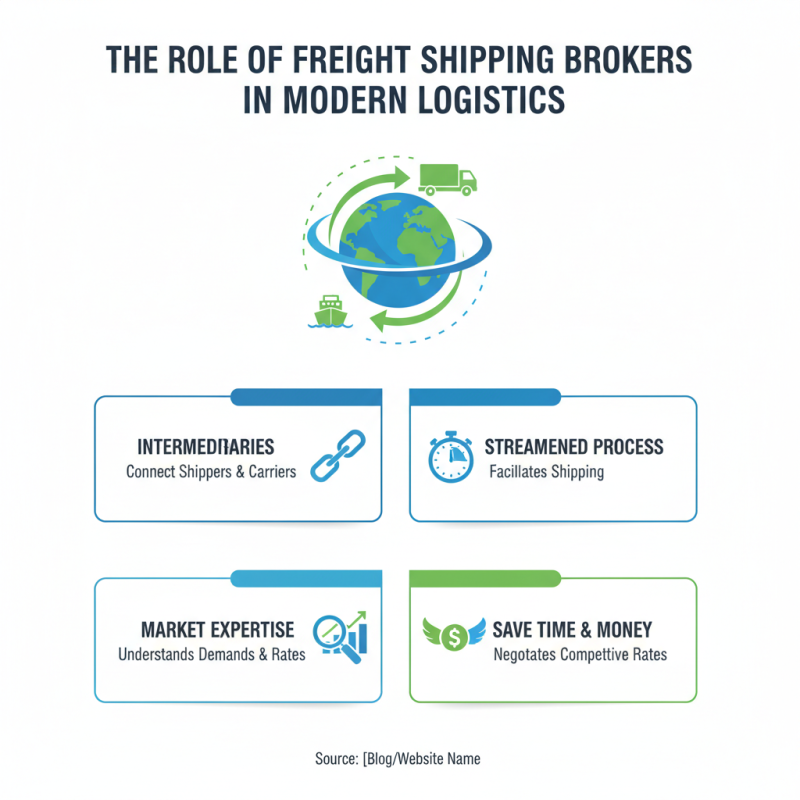
Freight shipping brokers play a vital role in modern logistics. They act as intermediaries between shippers and carriers. This connection helps streamline the shipping process. Brokers understand market demands and can negotiate competitive rates. This expertise saves time and money for businesses.
Tips: Always verify a broker’s credentials. Look for reviews and feedback online. Ask for referrals from trusted peers.
A good broker also provides access to a broad network of carriers. This diversity means flexible options for shipping needs. However, some brokers might prioritize their profits over your needs. Be cautious and ask lots of questions. This ensures your logistics needs are met properly.
Tips: Communication is key. Discuss your requirements openly. Don’t hesitate to voice any concerns you have. It fosters a better working relationship.
In conclusion, understanding the broker's role can enhance your shipping strategy. It’s essential to remain engaged and informed throughout the process. A proactive approach leads to smoother operations and improved outcomes.
Key Benefits of Using a Freight Shipping Broker
When navigating the complexities of logistics, a freight shipping broker can be essential. They act as intermediaries between shippers and carriers. This role streamlines communication and simplifies the shipping process. Brokers have extensive industry knowledge, which helps in matching loads with the right carriers. They can negotiate better rates, saving you time and money.
Using a freight shipping broker can reduce stress. They handle paperwork and compliance issues. This allows businesses to focus on their core operations. With their network, brokers often provide quicker solutions in emergency situations. They manage unexpected hurdles, like cargo delays or route changes, which can be challenging for individual shippers.
Good brokers also offer insights into market trends. However, it's crucial to choose a broker wisely. Not all brokers have the same level of expertise. Working with the wrong partner can lead to poor service. It may result in higher costs or delays. Reflecting on these choices is part of improving the logistics process. Taking time to evaluate your broker can have significant impacts.
Why Choose a Freight Shipping Broker for Your Logistics Needs? - Key Benefits of Using a Freight Shipping Broker
| Benefit |
Description |
Impact |
| Cost Efficiency |
Freight brokers often have access to better rates due to their relationships with carriers. |
Reduce shipping costs. |
| Time Savings |
Brokers manage logistics and carrier communication, streamlining the shipping process. |
Faster delivery times. |
| Expertise and Knowledge |
Brokers have industry experience and can navigate complex regulations. |
Improved compliance and reduced risk. |
| Access to Multiple Carriers |
Brokers work with a variety of carriers, offering flexibility in shipping options. |
More choices for logistics solutions. |
| Problem Resolution |
Brokers handle issues like delays, damages, or disputes on behalf of their clients. |
Less stress and faster problem resolution. |
Comparing Freight Brokers with Direct Shipping Options
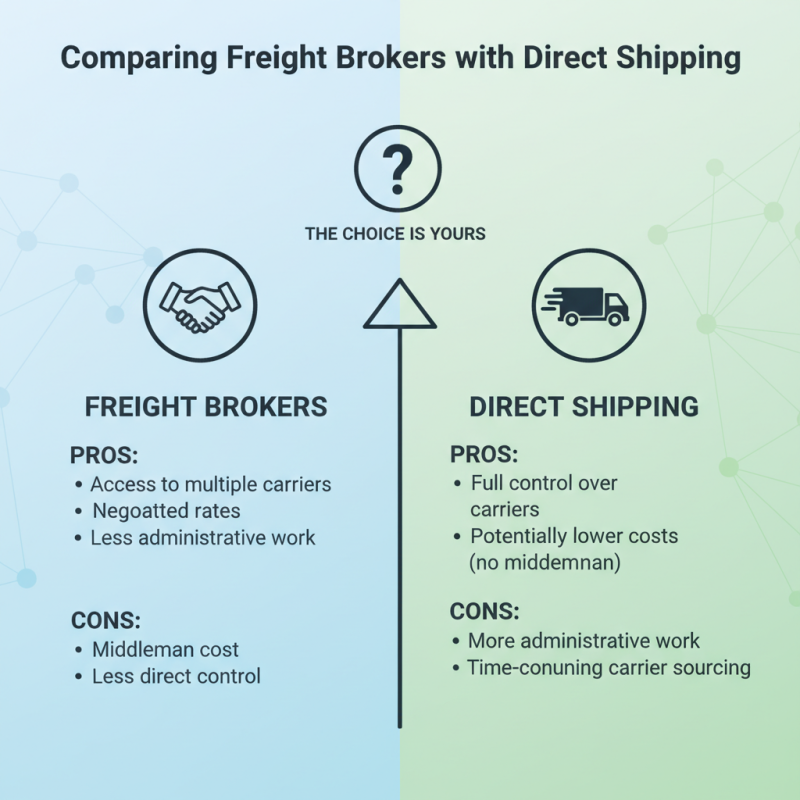
When considering logistics, choosing between a freight broker and direct shipping is crucial. Freight brokers connect shippers with carriers, while direct shipping involves working with carriers directly. Each option has its pros and cons, often leading to tough decisions.
Freight brokers can simplify the process. They have networks and resources that might not be visible to a single shipper. Additionally, brokers often negotiate rates better than individual shippers can. However, relying too much on a broker might result in less control over the shipment. It's essential to find a balance.
**Tip:** Always ask for transparency. Understand how brokers operate and their fees.
Direct shipping can give shippers more immediacy. They maintain direct contact with carriers. This approach allows for better tracking and management. Yet, without a broker, shippers may struggle with capacity issues or find themselves overwhelmed during peak seasons.
**Tip:** Be mindful of your shipping volume. Assess whether direct shipping is feasible for your needs.
Ultimately, both options demand careful evaluation. The right choice hinges on your specific logistical requirements. Consider your priorities and resources before making a decision.
How to Choose the Right Freight Shipping Broker for Your Needs
Choosing the right freight shipping broker can be challenging. Start by determining your specific shipping needs. Consider the types of goods you transport and their destinations. Some brokers specialize in certain industries. This specialization can improve efficiency and save time.
Next, evaluate the broker’s reputation. Look for reviews and testimonials from past clients. A well-regarded broker often has strong connections and networks. However, not every broker performs consistently. Don’t ignore red flags like poor communication or lack of transparency. It’s vital to ask questions upfront. Understand their fee structure and any hidden costs.
Additionally, pay attention to technology use. A broker that utilizes modern tools can provide better tracking and visibility. Yet, some brokers may rely on outdated methods, leading to delays. Test their customer service as well. You might find some brokers responsive, while others lag behind. It’s crucial to find a balance between cost and quality. Make a checklist that includes these criteria to guide your decision.
Industry Trends Influencing the Use of Freight Shipping Brokers
The logistics industry is rapidly evolving. In recent years, data shows that the utilization of freight shipping brokers has risen by 20%. This trend reflects the growing complexity of supply chains. Companies face challenges in managing costs, regulations, and timeliness. Brokers are often equipped to navigate these complexities more effectively than individual shippers can.
A report by the Freight Transportation Research Group indicates that 70% of companies now rely on brokers for freight management. This reliance stems from their expertise in logistics solutions. Brokers offer access to a network of carriers, which often leads to lower shipping costs. However, not all brokers provide the same level of service. It's critical for companies to conduct due diligence when selecting a broker to ensure they meet specific needs.
Technology is another factor influencing this trend. The rise of digital freight platforms has made it easier for shippers to find competitive rates. Yet, these platforms can lack the personal touch that a dedicated broker offers. Many users report frustration when dealing with automated systems. While technology streamlines processes, it can sometimes lead to miscommunication and errors in shipments. Companies should weigh the benefits of automation against the potential downsides of relying solely on technology.