10 Best Folding Electric Scooters to Buy in 2026
A folding electric scooter must solve a real daily problem: getting you across town, then fitting beside a desk or under a train seat. Small details matter. A latch that locks cleanly, a handlebar that stays steady, and a manageable folded weight can matter more than a headline-grabbing top speed. This guide compares ten 2026 models through practical criteria, including range, braking, portability, ride comfort, and manufacturer support.
The wider market is growing, though broad market figures do not measure folding scooters alone. Grand View Research estimated the global electric scooter market at about $34.9 billion in 2023 and projected continued growth through 2030. In the United States, NACTO recorded 133 million shared micromobility trips in 2023, showing how often people use small vehicles for everyday journeys. These figures offer context, not proof that every scooter suits every rider. Range claims also vary with rider weight, temperature, hills, and speed.
Mobility analyst Horace Dediu helped popularize the term “micromobility” and has focused on how compact vehicles fit into urban travel. One practical test follows from that work: “Does it make your everyday trip easier?” A folding electric scooter should answer yes without demanding a painful carry or a risky compromise in control. Some trade-offs remain. Foldability can mean smaller wheels, a firmer ride, or less battery capacity. Check the specifications, then consider where you will actually ride and store it.
How Folding Electric Scooters Work and Who They Suit
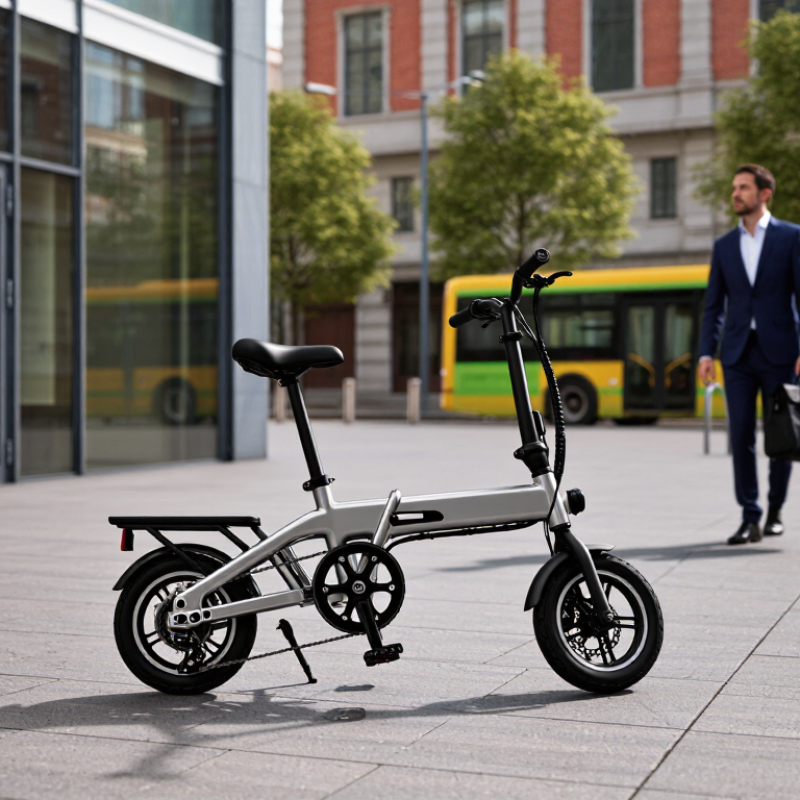
A folding electric scooter uses a hinge or locking joint to bring the handlebar stem toward the deck. Once folded, it can be carried or stored under a desk. The latch should close firmly, with no movement when you gently test the stem. Don’t assume every design folds in the same way. Some still take up awkward space.
A battery supplies power to a motor, often located in a wheel, while a controller responds to the throttle. Brakes slow the scooter, and some models also use regenerative braking to return a small amount of energy. The exact setup varies, so check the manual for charging and maintenance guidance. Simple enough, but not maintenance-free.
Folding scooters suit commuters who combine short rides with buses, trains, or limited home storage. They can also help someone avoid parking a full-size bicycle in a crowded hallway. Weight matters: lifting a scooter up several stairs can turn a convenient ride into a daily chore. Small wheels may feel less settled on broken pavement, too, so route conditions matter. A scooter that works well on smooth paths may feel tiring on rough streets. Check its folded size, carrying weight, braking feel, and stated range against your actual trip. Range estimates are not guarantees, especially in cold weather or on hills.
Key Features to Compare When Choosing a Folding Electric Scooter
A folding scooter should fit your actual routine, not just a product photo. Check its folded dimensions against your hallway, car trunk, or office storage space. Then lift it by the frame; published weight can feel very different when carried up stairs. A firm latch matters. It should lock without forcing, and show no obvious play when you gently rock the folded stem. Small details count.
Compare motor output, battery capacity, and braking together. A steep hill with a backpack demands more than a flat commute, while cold weather and frequent stops can reduce practical range. Treat advertised distance as an estimate, not a promise. Check whether the scooter has dependable front and rear brakes, visible lights, and tires suited to your roads. Solid tires resist punctures, but can feel harsher on cracked pavement. Comfort is easy to underestimate.
Look closely at the controls and display. You should be able to read speed and battery level in daylight without taking your eyes off the road for long. Check the charging time, replacement-part availability, and stated water resistance; water resistance does not mean safe submersion. A spec sheet can still flatter a scooter. If possible, test the folding hinge and ride over a familiar, uneven stretch before deciding.
10 Best Folding Electric Scooters to Buy in 2026
Key features to compare when choosing a folding electric scooter
Editorial comparison guide: scores show the relative importance of each factor when evaluating scooters, not measured ratings of specific models. Check a scooter’s published specifications and local regulations before buying.
The 10 Best Folding Electric Scooters to Buy in 2026
Choosing from the 10 best folding electric scooters to buy in 2026 starts with an ordinary question: where will you carry one? A scooter that folds neatly beside a desk may still feel awkward on crowded stairs. Check its folded dimensions and weight, not just its riding range. A latch should lock firmly and release without a wrestling match. Small detail. Big difference.
The strongest choices serve different routines. Lightweight models suit short commutes and frequent carrying, while larger batteries may help riders with longer routes. Wider decks, grippy tires, and suspension can make rough pavement less tiring, though they often add weight. Responsive brakes and bright lights matter in daily traffic. A high top speed sounds appealing, but predictable handling is more useful on a bumpy street. No single design wins every test.
Treat advertised range as an estimate, not a promise. Rider weight, hills, temperature, and frequent stops can shorten a charge. Before buying, confirm the scooter fits your storage space and that its charger is easy to keep with you. If possible, test the folding action and standing position in person. Specs look tidy; real commutes rarely do. A little uncertainty belongs in any honest comparison.
10 Best Folding Electric Scooters to Buy in 2026 | Rank | Scooter Type | Typical Weight | Typical Battery | Advertised Range | Practical Range | Typical Top Speed | Best For |
| 1 | Lightweight last-mile commuter | 11–14 kg (24–31 lb) | 250–400 Wh | 20–35 km (12–22 mi) | 12–25 km (7–16 mi) | 20–25 km/h (12–16 mph) | Short rides, stairs, and carrying onto public transport |
| 2 | Everyday city commuter | 14–18 kg (31–40 lb) | 400–600 Wh | 30–50 km (19–31 mi) | 20–38 km (12–24 mi) | 25–32 km/h (16–20 mph) | Regular urban trips on paved roads |
| 3 | Long-range commuter | 18–24 kg (40–53 lb) | 600–900 Wh | 45–75 km (28–47 mi) | 30–55 km (19–34 mi) | 25–32 km/h (16–20 mph) | Longer commutes with fewer charging stops |
| 4 | Compact, quick-fold model | 12–16 kg (26–35 lb) | 300–500 Wh | 25–45 km (16–28 mi) | 16–32 km (10–20 mi) | 20–30 km/h (12–19 mph) | Office storage and frequent folding |
| 5 | Comfort-focused commuter | 17–23 kg (37–51 lb) | 450–700 Wh | 35–60 km (22–37 mi) | 23–45 km (14–28 mi) | 25–32 km/h (16–20 mph) | Rougher pavement and longer rides; often uses larger tires or suspension |
| 6 | Hill-capable commuter | 19–27 kg (42–60 lb) | 600–1,000 Wh | 40–70 km (25–44 mi) | 25–50 km (16–31 mi) | 25–40 km/h (16–25 mph) | Routes with frequent inclines; motor performance depends on rider weight and hill steepness |
| 7 | All-weather commuter | 16–23 kg (35–51 lb) | 450–800 Wh | 35–65 km (22–40 mi) | 22–48 km (14–30 mi) | 25–32 km/h (16–20 mph) | Daily use where lighting, fenders, and dependable braking matter |
| 8 | Budget folding scooter | 13–19 kg (29–42 lb) | 250–500 Wh | 20–45 km (12–28 mi) | 12–32 km (7–20 mi) | 20–30 km/h (12–19 mph) | Short trips and occasional use; check warranty and replacement-part availability |
| 9 | Higher-payload commuter | 20–28 kg (44–62 lb) | 600–1,000 Wh | 40–75 km (25–47 mi) | 25–52 km (16–32 mi) | 25–32 km/h (16–20 mph) | Riders needing a higher stated load capacity; verify the limit and braking system |
| 10 | Performance folding scooter | 22–32 kg (49–71 lb) | 800–1,500 Wh | 50–100 km (31–62 mi) | 30–70 km (19–44 mi) | Up to 40–60 km/h (25–37 mph), where permitted | Experienced riders seeking stronger acceleration; check local speed laws before buying |
Comparison guide: these are representative specification ranges for common folding electric scooter categories, not claims about specific products. Advertised range is usually measured under favorable conditions; practical range varies with rider weight, speed, terrain, temperature, tire pressure, and battery age. Maximum speeds and road-use rules differ by location.
How the Top Scooters Compare in Range, Weight, and Price
For a 2026 folding-scooter comparison, range, carry weight, and price work best as a three-way trade-off. A longer advertised range may come with a heavier battery, which matters when stairs or a crowded train are part of the commute. The 2023 Shared Micromobility Report from the National Association of City Transportation Officials recorded 133 million shared-micromobility trips in the United States. That scale makes everyday convenience worth considering alongside headline specifications.
Treat stated range as an estimate, not a commute guarantee. Hills, cold weather, rider weight, and frequent stops can reduce distance between charges. Compare models under similar test conditions, then leave enough reserve for the return trip. A scooter that folds quickly and fits beside a desk may beat a longer-range option that is awkward to carry. Small detail. Check the folded dimensions, too; “portable” can still mean bulky on a packed bus.
Compare prices using the complete setup, including a compatible charger or lock if these are not included. Also check warranty coverage and replacement-battery availability, since a low purchase price may not mean low ownership cost. For a practical shortlist, record claimed range, verified test range, total weight, folded size, and out-the-door price side by side. The comparison is imperfect, but it makes trade-offs visible.
How to Choose and Maintain the Right Folding Electric Scooter
Choosing a folding electric scooter starts with your daily route, not its advertised top speed. Measure the folded frame and check whether it fits beneath your desk or beside a crowded train seat. Then compare the scooter’s weight with what you can comfortably carry up stairs. A few pounds matter. Check the stated rider-weight limit, braking system, tire type, and realistic range; hills, cold weather, and frequent stops can reduce distance. If possible, test the folding latch. It should lock securely without pinching your fingers or requiring awkward force.
Maintenance is simple, but skipping it can make a compact scooter feel unreliable. Before each ride, look for soft tires, loose fasteners, worn brake pads, or a latch that no longer closes firmly. Wipe dirt from the hinge and deck with a damp cloth, then dry them; avoid spraying water into electrical parts. Keep the battery away from extreme heat and prolonged dampness, and follow the manual’s charging and storage guidance. I would not trust a range estimate as a daily promise—it is a useful comparison, not a guarantee. That distinction matters. Record unusual noises or sudden changes in braking, and pause riding until the cause is checked. Regular small checks take minutes. Neglected ones can become expensive.