Top 10 Benefits of Rail Transfer Carts for Efficient Logistics?
In the ever-evolving world of logistics, efficiency is key. One solution gaining traction is the Rail Transfer Cart. These versatile carts have transformed material handling processes across various industries. They are designed to seamlessly transport heavy loads along railway tracks, providing significant advantages in operations.
The benefits of using Rail Transfer Carts extend beyond mere transportation. They streamline workflows, reduce labor costs, and enhance safety. Businesses have reported improved turnaround times and a lower risk of workplace accidents. However, organizations must reflect on the need for proper training and maintenance. This ensures the carts operate at peak performance.
Effective logistics is essential for any business. Rail Transfer Carts optimize operations while addressing challenges. They create a more organized, efficient environment. As industries face increasing demands, these carts represent a significant step forward in logistical strategies.
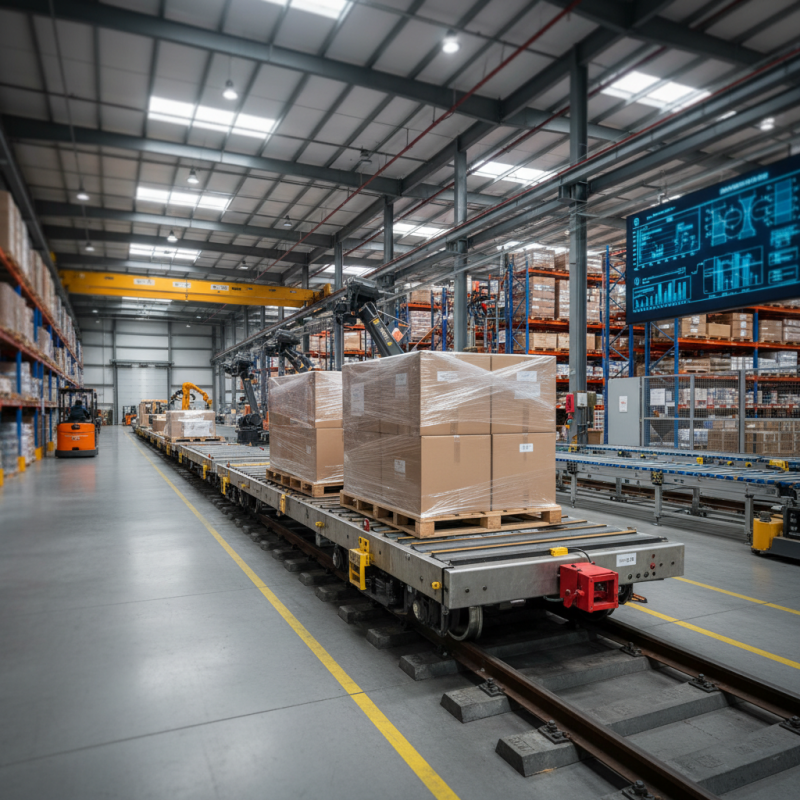
Benefits of Rail Transfer Carts in Streamlining Logistics Operations
Rail transfer carts are revolutionizing logistics operations by enhancing efficiency and reducing downtime. These carts are designed to move heavy goods across various surfaces, allowing for seamless transfers between different modes of transport. According to industry reports, businesses can achieve up to a 30% increase in productivity when integrating rail transfer carts into their operations. This significant improvement stems from better load management and reduced handling times.
The versatility of rail transfer carts stands out in environments with tight constraints. They can easily navigate narrow aisles or intricate layouts. This adaptability helps minimize bottlenecks and ensures a smoother workflow. Additionally, the reduced manual labor involved lowers the risk of workplace injuries. Industry data shows that companies experience a 25% decrease in injury rates when adopting such technologies. However, it's important to consider the initial investment and maintenance costs, which can vary significantly by operation.
Rail transfer carts also foster sustainability in logistics. By reducing the reliance on forklifts and trucks, businesses can lower their carbon footprints. Reports indicate that green logistics strategies can lead to cost savings of 15% annually. Nevertheless, companies must evaluate longevity and potential wear and tear of the carts. Long-term dependability is crucial for maintaining operational effectiveness.
Enhancing Safety Standards with Rail Transfer Carts in Warehousing
Rail transfer carts play a vital role in enhancing safety standards in warehousing operations. According to a 2021 industry report, more than 25% of workplace accidents occur during material handling. Rail transfer carts significantly reduce these risks by minimizing manual lifting. These carts offer a stable platform, enabling workers to transport heavy loads without straining their bodies.
The productivity boost from using rail transfer carts can lead to improved safety. A study published by the Logistics Institute indicates that companies using rail systems have reduced accident rates by 30%. This is crucial in an industry aiming for higher efficiency. Rail transfer carts provide a systematized approach to moving materials, which can limit chaotic environments that often lead to accidents.
Operators must still confront challenges, however. Regular maintenance is essential for safe operation. Neglecting checks can result in mechanical failures, posing safety threats. While rail transfer carts bring notable safety benefits, companies must recognize the importance of established maintenance protocols. Companies should aim to strike a balance between efficiency and safety to ensure smooth operations.
Top 10 Benefits of Rail Transfer Carts for Efficient Logistics
Cost Efficiency: How Rail Transfer Carts Reduce Operational Expenses
Rail transfer carts are reshaping logistics efficiency. A key advantage is their cost-effectiveness. By streamlining heavy transport, these carts minimize labor costs and reduce associated operational expenses. According to a report by the Supply Chain Management Review, companies using rail transfer carts can cut labor expenses by up to 30%. This is significant for industries with high manual handling costs.
Moreover, rail transfer carts excel in energy efficiency. Many models utilize electric power, further decreasing energy consumption. Energy-efficient logistics can lead to an average annual savings of 15% in overall operational costs. When integrating rail transfer carts, companies report quicker turnaround times. Speed boosts productivity and, ultimately, profit margins.
However, adopting new systems is not without challenges. Transitioning from traditional systems to rail transfer carts requires training and may disrupt operations initially. Maintenance of these carts can also be costly if not managed well. Despite these concerns, the long-term savings can often outweigh the upfront investment. Many logistics experts highlight the potential ROI after just a few years of operation.
Top 10 Benefits of Rail Transfer Carts for Efficient Logistics - Cost Efficiency: How Rail Transfer Carts Reduce Operational Expenses
| Benefit | Description | Estimated Savings (%) |
| Reduced Labor Costs | Automated transport minimizes the need for manual labor. | 20% |
| Lower Maintenance Costs | Durable construction decreases wear and tear expenses. | 15% |
| Enhanced Efficiency | Faster transport times improves overall operational speed. | 25% |
| Reduced Energy Costs | Electric rail carts use less energy compared to traditional vehicles. | 30% |
| Minimized Downtime | Reliable transport ensures continuous workflow without delays. | 10% |
| Space Optimization | Rail systems utilize vertical space effectively for storage. | 12% |
| Improved Safety | Automated systems reduce accident risks associated with manual handling. | 18% |
| Increased Load Capacity | Rail transfer carts can carry heavier loads compared to traditional options. | 22% |
| Sustainability | Electric rail systems are more environmentally friendly than diesel-powered alternatives. | 20% |
| Long-term Investment | High durability and low operational costs lead to better ROI over time. | 28% |
Improving Load Management and Handling with Rail Transfer Carts
Rail transfer carts are becoming essential in logistics for improving load management and handling. These powerful tools can carry heavy loads efficiently across factory floors. A recent industry report shows that organizations using rail transfer carts experience up to a 30% increase in workflow efficiency. This boost results from reduced downtime, as the carts facilitate quicker transport of materials.
It's important to consider the type of rail transfer cart that fits specific operational needs. Load capacity, speed, and design play a crucial role in performance. Investing in carts with ergonomic features can also enhance the safety of operators and minimize the risk of workplace injuries. Proper maintenance is key; a well-maintained cart can prevent unexpected breakdowns, which can disrupt operations.
Tips for optimizing the use of rail transfer carts include implementing a systematic loading process and training personnel effectively. Regular audits of the cart's condition can help identify potential issues early. Remember, the objective is not just speed but also safety and reliability. Taking these proactive steps can lead to substantial improvements in logistics efficiency.
Versatile Applications of Rail Transfer Carts Across Industries
Rail transfer carts are becoming essential in various industries due to their versatility. These carts transport heavy materials seamlessly along tracks. Their design allows for easy loading and unloading, making them ideal for factories and warehouses. The ability to handle different loads boosts efficiency in operations.
In construction, rail transfer carts move equipment and materials quickly. They reduce manual labor and enhance safety. In manufacturing, these carts streamline production lines. They can be customized to fit specific needs, which adds to their effectiveness. However, not all organizations maximize their potential. Mismanagement or improper use can lead to safety risks.
In logistics, rail transfer carts play a vital role in distributing goods. Their ability to connect different parts of a facility creates a smooth workflow. However, some manufacturers still overlook the maintenance of these carts. Regular checks and repairs are necessary to prevent breakdowns. Companies should invest time in training staff on proper handling.