How to Become an Independent Freight Broker and Succeed in Logistics?
Becoming an independent freight broker can be rewarding yet challenging. This role involves facilitating the movement of goods between shippers and carriers. The logistics industry is complex, and understanding its nuances is crucial.
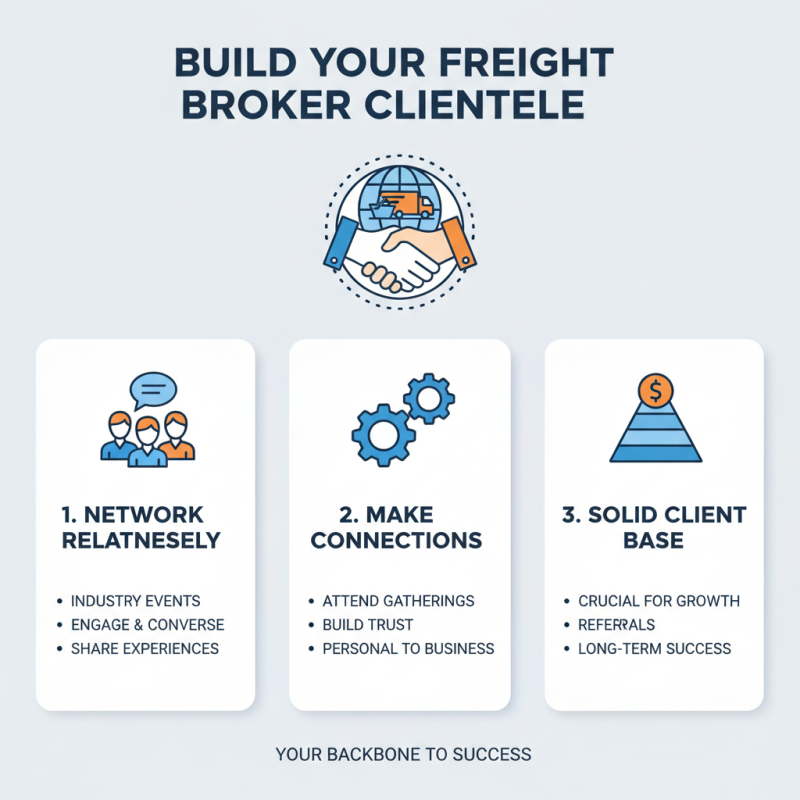
Many aspiring brokers underestimate the importance of building relationships. You must connect with shippers, carriers, and other stakeholders. Networking can open doors to valuable partnerships. However, it requires time and effort. Trust is not built overnight; it is earned through consistent communication.
Also, consider the financial aspects. Starting without sufficient capital can lead to difficulties. An independent freight broker must manage expenses wisely to succeed. Do not assume that profits will come quickly. Reflecting on these challenges is vital. Each lesson learned can guide you toward long-term success in logistics.
Understanding the Role of Independent Freight Brokers in Logistics Industry
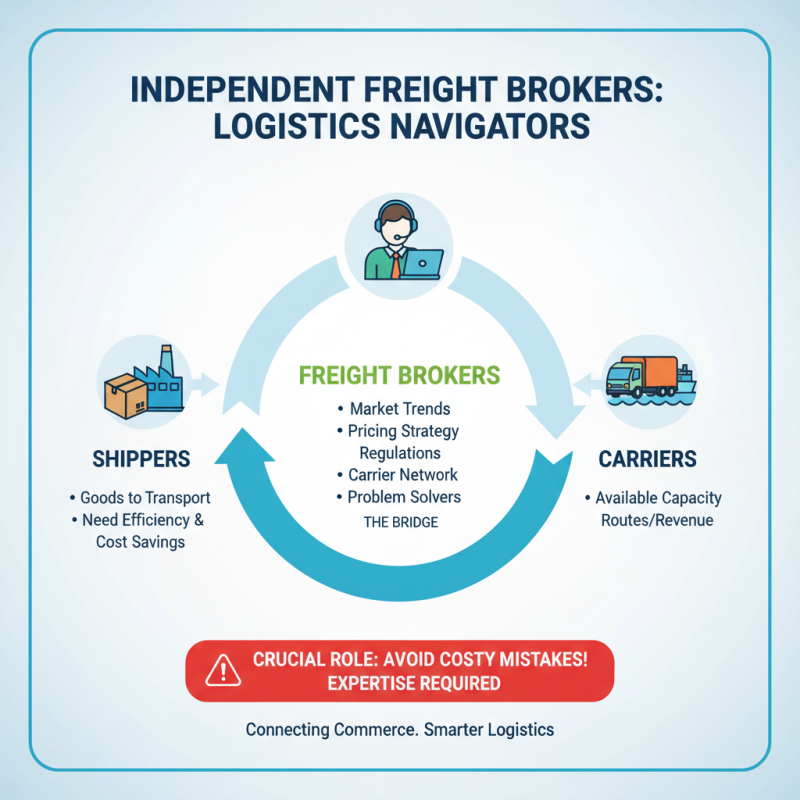
Independent freight brokers play a crucial role in the logistics industry. They act as intermediaries between shippers and carriers, ensuring goods are transported efficiently. These brokers must understand market trends, pricing strategies, and regulations that govern transportation. Without this knowledge, they can easily make costly mistakes.
Tips: Stay updated on industry news. Regularly read logistics publications and attend workshops. Networking with other professionals can provide valuable insights and potential partnerships.
Communication skills are vital for success. Each day may involve negotiating rates or resolving conflicts between parties. Without effective communication, a broker risks losing clients. It’s crucial to develop these skills and learn to handle difficult conversations.
Mistakes will happen. A broker may underestimate shipping costs or miss deadlines. Each error is a learning opportunity. Reflecting on these experiences can lead to growth and improved strategies in the future. Success in this field requires resilience and a willingness to adapt.
Key Skills and Qualifications Required to Become a Successful Broker
To succeed as an independent freight broker, key skills and qualifications are essential. Strong communication abilities are vital. You must convey information clearly to clients and carriers. This builds trust and ensures smooth transactions. Negotiation skills also play a crucial role in securing favorable rates and contracts. Being persuasive can greatly impact your business's profitability.
Knowledge of logistics and supply chain management is another important requirement. Understanding freight regulations and compliance is essential. You should keep updated on industry trends. This helps you provide valuable insights to clients. Technology skills are also important, especially in using freight software effectively. This helps streamline operations and manage shipments efficiently.
Tips: Stay organized with your tasks. Use tools to track shipments and appointments. Build a network with other brokers and carriers. Don’t hesitate to ask questions when you’re unsure. Learning from mistakes is crucial. Reflect on your interactions and adjust your approach accordingly. Continuous improvement is key in this industry.
Navigating the Legal Requirements and Regulations for Freight Brokerage
Starting as an independent freight broker involves understanding legal requirements and regulations. In the U.S., the freight brokerage industry generated approximately $204 billion in revenue in 2022. Brokers need to be aware of federal and state laws governing transportation. This includes obtaining the appropriate licenses and permits. The Federal Motor Carrier Safety Administration (FMCSA) requires brokers to obtain a Freight Broker License. This involves submitting an application and paying a fee.
Insurance is crucial for freight brokers. They must carry a surety bond, typically valued at $75,000. This bond acts as a financial safeguard for clients. Following regulations can be overwhelming at first. It's not just about compliance; it's also about building trust with clients and carriers. Some brokers face challenges in understanding complex rules. Moreover, the logistics landscape is constantly changing. Keeping up with new regulations can feel like a full-time job in itself.
Networking plays a role too. Connecting with industry peers helps navigate the complexities of freight brokerage. Resources such as the Transportation Intermediaries Association (TIA) offer valuable insights. Joining such networks can provide guidance and shared experiences. This sense of community can offer insights into hidden pitfalls. Learning from others' mistakes is often more effective than learning from one's own.
Monthly Freight Brokering Revenue in 2023
This chart illustrates the estimated monthly revenue generated by independent freight brokers in 2023, showcasing their growth throughout the year as they navigate different regulations and market demands.
Analyzing Market Trends and Data to Enhance Brokerage Success
Analyzing market trends is essential for an independent freight broker. Understanding the shifts in demand can set you apart in logistics. Begin by researching freight rates. Rates fluctuate frequently and knowing these trends empowers your negotiations. Use online tools to track changes in pricing.
Tips: Set up alerts for rate changes in your area. This helps you respond quickly. Engage with industry reports and market analyses. These resources provide insights into what clients are prioritizing, such as speed or cost.
Emphasizing data analysis helps you make informed decisions. Collect data on route efficiencies. Identify which routes yield the best profits. Don’t solely rely on intuition; reflect on past decisions. They can inform future strategies.
Tips: Review your past shipments monthly. Notice patterns in delays or issues. This offers lessons in areas needing improvement. Stay curious about market innovations. Adjust your strategies as needed. Embrace the changing landscape of logistics.
How to Become an Independent Freight Broker and Succeed in Logistics? - Analyzing Market Trends and Data to Enhance Brokerage Success
| Metric |
Q1 2023 |
Q2 2023 |
Q3 2023 |
Q4 2023 |
| Total Shipments |
25,000 |
30,000 |
28,500 |
32,000 |
| Average Revenue Per Shipment |
$1,200 |
$1,150 |
$1,300 |
$1,250 |
| Broker Commission (%) |
12% |
11% |
13% |
12.5% |
| Top Freight Mode Utilized |
Truck |
Rail |
Truck |
Intermodal |
| Customer Retention Rate (%) |
85% |
88% |
83% |
90% |