
Ports are where global supply chains meet the real world: vessel schedules, cranes, customs documents, and trucks must align. The UN Trade and Development’s Review of Maritime Transport 2024 reports that maritime transport carries over 80% of world trade by volume. That scale makes port logistics a practical concern for buyers, not just a shipping-industry term. A delayed container can disrupt production, miss a retail window, or leave inventory waiting inland.
Choosing a provider takes more than comparing quoted rates. Buyers should examine port coverage, carrier relationships, cargo visibility, inland connections, and how clearly exceptions are handled. The World Bank and S&P Global Market Intelligence’s 2023 Container Port Performance Index assesses 405 container ports, offering a useful view of operational efficiency. But an index cannot tell a buyer everything about communication, pricing transparency, or support during a disruption. Those details matter.
This guide introduces leading port logistics providers for global buyers in 2026, with attention to their capabilities and fit for different shipping needs. Compare service scope, track-record evidence, and reporting practices against your own routes and cargo volumes. Ask for specifics. A polished dashboard is not the same as a dependable handoff at the terminal. Rankings can help narrow a shortlist, but no provider is best for every buyer. That judgment deserves a second look.
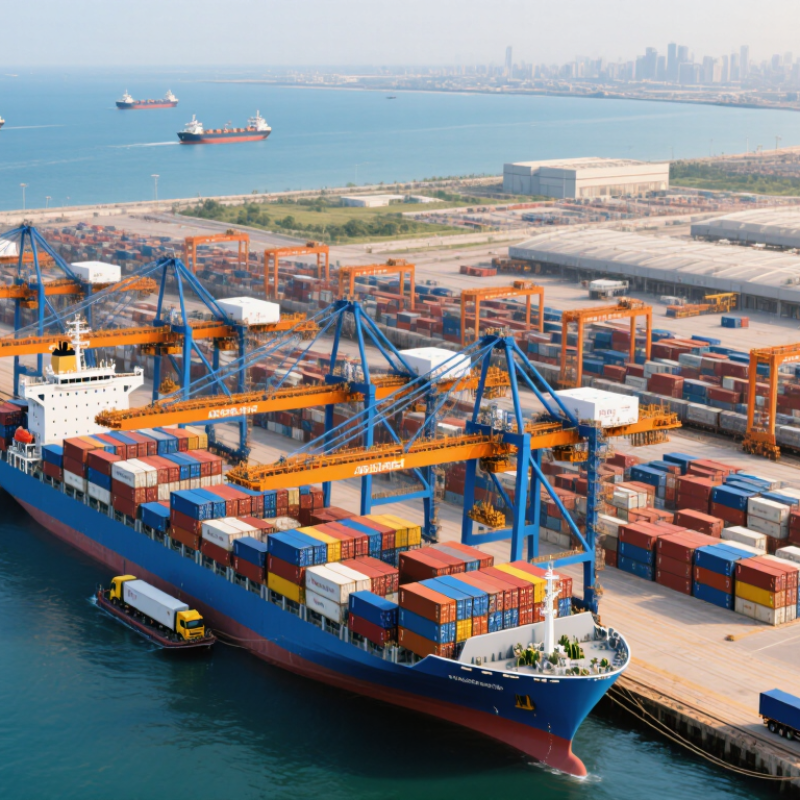
Port logistics providers connect ships, terminals, warehouses, and inland transport. Their work starts before a vessel arrives. Teams review cargo details, estimate handling needs, and coordinate berth, labor, and equipment plans. A delayed arrival can shift several schedules, so clear updates matter. Small timing errors add up.
At the terminal, providers arrange container moves, yard storage, inspections, and loading or discharge. They may also coordinate customs documentation, trucking appointments, and rail transfers, while clients remain responsible for accurate shipment information. For example, a refrigerated container needs a powered slot and temperature checks, not just space on the quay. Port teams track these details through operating systems and direct communication, though system records can lag behind events on the ground. That gap deserves attention.
For global buyers, useful measures include cargo dwell time, handling accuracy, schedule reliability, and the speed of exception updates. A capable provider explains delays with timestamps and practical options, rather than offering vague assurances. Coverage and service quality can vary by port, season, and cargo type, so one provider may not suit every route. Even careful planning cannot remove every bottleneck.
Global buyers in 2026 need port logistics providers that connect vessel schedules with practical, on-the-ground services. Useful support includes cargo booking, document checks, terminal coordination, and inland transport planning. A provider should explain who handles each handoff and when shipment updates will arrive. Clear responsibility matters.
Look for shipment visibility that shows milestones, delays, and the next action—not just a moving icon on a map. Warehousing, container pickup, and delivery appointments can help keep cargo moving after discharge. Ask how the provider manages schedule changes, peak-season congestion, and missing paperwork. A delayed update can cost more than a delayed truck.
Service quality also depends on local coordination. Buyers should compare port coverage, response times, escalation contacts, and the accuracy of routine status reports. Request examples of how exceptions are communicated, without relying only on polished sales demonstrations. Dashboards have limits. They cannot replace a reachable operations contact when a terminal changes its plan. Pricing deserves careful review too: low headline rates may exclude storage, handling, or other clearly disclosed charges. No provider removes every delay, and that is worth remembering. The strongest fit is often the one that explains its limits and gives buyers useful choices.
Key Services for Global Buyers in 2026
Port throughput provides context for comparing logistics networks and evaluating services such as cargo handling, customs coordination, warehousing, and inland transport. Figures show reported 2023 container throughput, rounded to two decimal places; they are port statistics, not provider rankings.
How to Evaluate Port Logistics Providers
Evaluate a port logistics provider through practical operating details, not polished promises. Ask for recent on-time delivery rates and clarify how delays are recorded. A useful provider can explain who handles customs documentation, terminal coordination, trucking, and shipment updates. Request a sample status report. Check whether it shows vessel changes, container availability, and the next action owner. Clear handoffs matter.
Tips: Compare total quoted costs, including terminal handling, storage, and possible waiting fees. Ask how quickly the provider flags schedule changes. Speak with customers who ship similar cargo volumes and routes. Look for specific examples, not general assurances.
Review the provider’s contingency process for congestion, missed connections, or equipment shortages. Ask who contacts you, how alternatives are approved, and what extra costs may apply. Check that service terms explain cargo responsibility and claims procedures. A spreadsheet helps, but it misses how people communicate under pressure. That part is harder to measure. I would also test the reporting process before committing; a smooth sales call does not guarantee clear updates during a busy port week. A small trial shipment can reveal gaps, though one successful move proves little.
For global buyers, port-logistics providers differ less by promises than by operational strengths. Some coordinate vessel schedules, terminal handling, customs documentation, and inland trucking through one control desk. Others excel at a specific link, such as refrigerated cargo monitoring or rapid container transfers.
The UNCTAD Review of Maritime Transport 2024 reported that seaborne trade reached about 12.3 billion tons in 2023, showing the scale providers must manage. Reliability matters at the quay. A missed connection can leave a container waiting through another sailing cycle.
The World Bank’s Container Port Performance Index 2023 assessed 405 ports using vessel time in port, a useful measure of operational efficiency, though not a complete scorecard for every buyer. Strong providers can explain their handoff process, share milestone updates, and identify who acts when a berth or truck slot changes.
For temperature-sensitive goods, ask how often sensor readings are checked and how exceptions reach the shipper. For mixed inland routes, request a sample shipment timeline with cut-off times and likely transfer points.
Small details count. Still, even experienced operators face congestion and weather disruption; a polished dashboard cannot remove that risk. Buyers should compare documented performance against their own routes, cargo needs, and service windows.
For global buyers, the right port logistics provider depends on the cargo, route, and delivery promise. A container of packaged goods may need predictable vessel connections, clear milestone updates, and reliable inland transport. Temperature-sensitive freight needs monitored storage, documented handoffs, and a plan for delays. Ask how exceptions are handled, not only how routine shipments move. Small gaps matter.
Project cargo and irregular loads require a different test. Confirm the provider can coordinate suitable lifting equipment, staging space, permits where applicable, and safe transfers between vessel and truck. For frequent, smaller orders, dependable consolidation and accurate paperwork may matter more than a large warehouse network. Match the service to the shipment, rather than buying every available option.
Trade lanes also shape the decision. Review port coverage, local operating experience, cut-off times, tracking detail, and communication across time zones. Request sample reports and ask who owns a problem when a connection is missed. Compare total logistics costs, including handling and storage charges, instead of relying on a headline rate. Cheap can become expensive.
No provider removes every disruption. I would still test a proposed plan against an awkward scenario: a late arrival, a full yard, or a change in delivery timing. That conversation can reveal whether the service fits your cargo and operating limits.
A practical comparison of port-logistics provider types. These categories are not a company ranking; services and capabilities vary by country, port, cargo, and individual provider.
| Provider Type | Best-Fit Cargo | Typical Port and Logistics Services | Trade Needs It Suits | What Buyers Should Verify |
|---|---|---|---|---|
| Freight Forwarder | Containerized, air, breakbulk, and other general cargo, depending on the provider’s network. | Coordinates transport bookings, shipment documentation, cargo consolidation, and connections between transport modes. May arrange customs brokerage and inland transport through its own operations or partners. | Buyers shipping across multiple countries or needing one coordinator for door-to-door transport and shipment visibility. | Confirm the exact services included, carrier arrangements, handling of claims, shipment tracking, and whether customs and inland transport are performed directly or subcontracted. |
| Non-Vessel-Operating Common Carrier (NVOCC) | Primarily containerized full-container-load (FCL) and less-than-container-load (LCL) shipments. | Contracts space with ocean carriers, arranges container transport, and may consolidate smaller shipments. An NVOCC generally does not operate the ocean-going vessels it uses and may issue its own house bill of lading. | Importers and exporters seeking container capacity, LCL consolidation, or an intermediary for ocean freight bookings. | Check the bill-of-lading terms, shipment cut-off times, destination charges, cargo-liability provisions, and who handles local delivery and customs formalities. |
| Port Terminal Operator | Cargo handled at a specific container, bulk, liquid, or general-cargo terminal. | May provide vessel loading and discharge, cargo storage in terminal areas, yard or gate operations, and related cargo-handling services. The scope depends on the terminal and cargo type. | Shippers, carriers, or logistics partners that need cargo moved through a particular port facility. | Confirm the terminal’s cargo acceptance, operating hours, storage rules, handling equipment, appointment or gate requirements, and applicable port charges. A terminal operator typically does not provide the entire international supply chain. |
| Customs Broker | Imported or exported goods requiring customs declarations and supporting documentation. | Can prepare and submit customs entries, help classify goods, and coordinate required documents or procedures, subject to local law and authorization. | Businesses that need customs-process support in a particular country or customs territory. | Verify local licensing or authorization requirements, importer-of-record responsibilities, tariff classification, valuation data, duties and taxes, and any permits. Customs authorities—not the broker—make official clearance decisions. |
| Reefer Logistics Provider | Temperature-controlled goods such as chilled or frozen food, pharmaceuticals, and other sensitive products, where accepted. | May arrange refrigerated containers, temperature settings, plug-in access, monitoring, and coordinated transport. Availability of monitoring and backup services varies by route and facility. | Shipments with specified temperature ranges, handling procedures, or time-sensitive cold-chain requirements. | Agree on temperature set points and tolerances, pre-trip inspection, monitoring and alarm procedures, power availability at transfer points, contingency plans, and temperature-record access. |
| Project Cargo and Heavy-Lift Specialist | Oversized, heavy, high-value, or non-containerized equipment and industrial cargo. | May plan route feasibility, cargo surveys, lifting and securing methods, specialized transport, and coordination with suitable ports and handling equipment. | Industrial projects, energy developments, construction, and shipments that cannot move as standard container cargo. | Request a documented route and lift plan. Verify cargo dimensions and weights, port infrastructure limits, permits, crane capacity, vessel suitability, lashing arrangements, and cargo insurance. |
| Intermodal and Port Drayage Provider | Containerized cargo moving between a port, rail terminal, warehouse, or inland destination. | May arrange short-haul trucking, container pickup and delivery, rail connections, and related equipment coordination. Service coverage and equipment availability are location-specific. | Buyers moving containers inland, using rail for longer inland legs, or coordinating port-to-warehouse transport. | Check service-area coverage, rail and truck schedules, container and chassis availability, appointment rules, free time, detention and demurrage terms, and contingency arrangements for delays. |
| Bulk and Breakbulk Cargo Handler | Uncontainerized dry or liquid bulk, and general cargo such as steel, timber, or bagged products, subject to terminal capability. | May coordinate cargo discharge or loading, storage, weighing, transfer, and specialized handling equipment at suitable facilities. | Trade in commodities or large-volume cargo that is not transported in standard shipping containers. | Confirm terminal acceptance, cargo-specific handling and storage conditions, environmental and safety controls, measurement or weighing procedures, and the transfer method to inland transport. |
Selection tip: Compare providers on the same shipment scope, route, cargo specification, service inclusions, liability terms, and accessorial charges. Port access and operational capabilities should be confirmed for the specific shipment before booking.
